How Many Communities Do We Really Need ?


If you do a search in internet for SAP communities, I am sure you will get a lot of hits. If you take the time to dig deeper, you will probably find significant overlap in their content and membership too. There will always be a loyalty/intertia factor that inhibits widespread adoption of a new community. Every time SAP acquires a company, this problem of integrating communities come up again. In short, I doubt the world is short on online communities.

Just to avoid annoying close friends – let me use a more neutral example. We saw Google+ arrive some time ago. Almost everyone I know who was active in twitter, jumped to G+. There were plenty of debates on whether twitter will die, and all action will be in G+. End of the day, they both survived, and peeps on twitter I followed are still more active on twitter than G+ by orders of magnitude. Sure there are nuances and all – but in general, world did not become a better place in a hurry because of G+ in my opinion. I wrote about it sometime ago too https://andvijaysays.wordpress.com/2011/07/24/google-plus-tribes-wont-follow-till-chiefs-jump-in-with-both-feet

Yesterday afternoon, I caught up a little with twitterverse. There was an interesting conversation going on there with my friends at SAP and my fellow SAP mentor Mico Yuk. The general topic was whether SCN was a comprehensive community.

Mico raised two points on SCN – apparently based on what she heard from her customers .

1. SCN is way too technical, and hence not a good place for business people to visit. So for people who sign the BI checks, as she put it, SCN does not fit the bill

2. The top ten contributors in SCN are “no-names” in BI.

Now, Mico holds strong views about SAP and its ecosystem, as I do too. I respect her for that. In this case, I have a slightly different view point.

It is true that SCN primarily has technical content. With great fanfare, SAP brought in a community for Business Process Experts (BPX) few years ago. I don’t know if it is alive or dead now, but in my mind it did not catch the imagination of majority of the community. May be SAP thinks other wise, and that is fine with me. I am just expressing my personal views here.

So do we need a separate community for Business ? In this context – I have some opinions on the Business/IT divide. http://https://andvijaysays.wordpress.com/2012/09/10/on-business-it-and-artificial-distinctions/

I do agree fully with Mico that business typically will tend to tune out of topics they don’t find an interest in. But that does not necessarily mean SCN does not have a place in the scheme of things, and that we need another community.

The way I have seen purchases happen in BI are in 2 ways – a “shadow IT” purchase by a department within a company (typically CFO office) , or an IT purchase by CIO organization. In shadow IT purchases, they typically depend on vendor references, a couple of analyst studies and probably google searches. The CIO purchases typically include more formal RFP type processes, and might include a buyer’s agent if it is a big decision. Of course this is a generalization.

In either case, the actual buyer in most cases may not get a lot of direct online community information. But he/she will be heavily influenced – on purpose – by people actively listening and/or participating in the online BI community. And that is where a community like SCN comes in. I have seen multiple business buyers resist the temptation of buying new departmental solutions, after someone in their organization points them to content in online communities that sheds less than favorable light on the solution. SCN does not get the credit it deserves due to many reasons – but it is still vastly influential amongst people who give their input to the ultimate buyers of BI software and consulting services.

There is no hard and fast distinction of business vs IT content , as it applies to a buying decisions, in my opinion. Things like security and scalability are important to both sides, but probably need to be expressed in different language for each audience. I would much rather have one community with content for everyone, and then strong filtering and search capabilities built in. Just as the world of canned BI reports and dashboards is shrinking, so is the world of content management changing. One of my biggest criticism about HANA content was that it was split between SCN and experience HANA website. I hear there is some integration happening now , but in general it did not hurt me much as long as I used Google as my starting point, instead of an SAP site.

Next , about the “no names” comment about top 10 BI contributors. If some customer of mine said that, I will go out and try to correct them. Everyone has an opinion, but this by no means makes it fair to criticize the top 10 contributors. They don’t always serve a technical purpose. I will take 2 names from mentor community in that list as an example. Ingo Hilgefort is an SAP employee who delivers excellent content on BOBJ. His audience at teched etc is technical. But I also know first hand that he deals with business users all the time at my clients, and gives them sound advice. Similarly, there is Tammy Powlas. She is an SAP customer. She is a total god-sent to BI community, and SAP should be sending her flowers and chocolates all the time in my opinion. It is not always that a customer takes time to post content on a vendor’s product. If I am a buyer, I would give a lot of weightage to her opinion, than content coming from an SAP Partner ( like yours truly). So unless I am mistaken on what was the rationale for the customer to make the no-names comment, my view is that that was an unfair assessment.

The trouble with twitter is that the 140 character limit does not allow meaningful conversations back and forth all the time. So my plan is to see if I can get Mico and Mark Finnern together for a few minutes at Teched next week and get a bitter grip on this discussion. Maybe some other mentors and community members including customers will join us? I know the community clubhouse usually has great coffee to go with such discussions .


A Book Of Verse, A Jug Of Wine, A Loaf Of Bread, And Thou Beside Me….


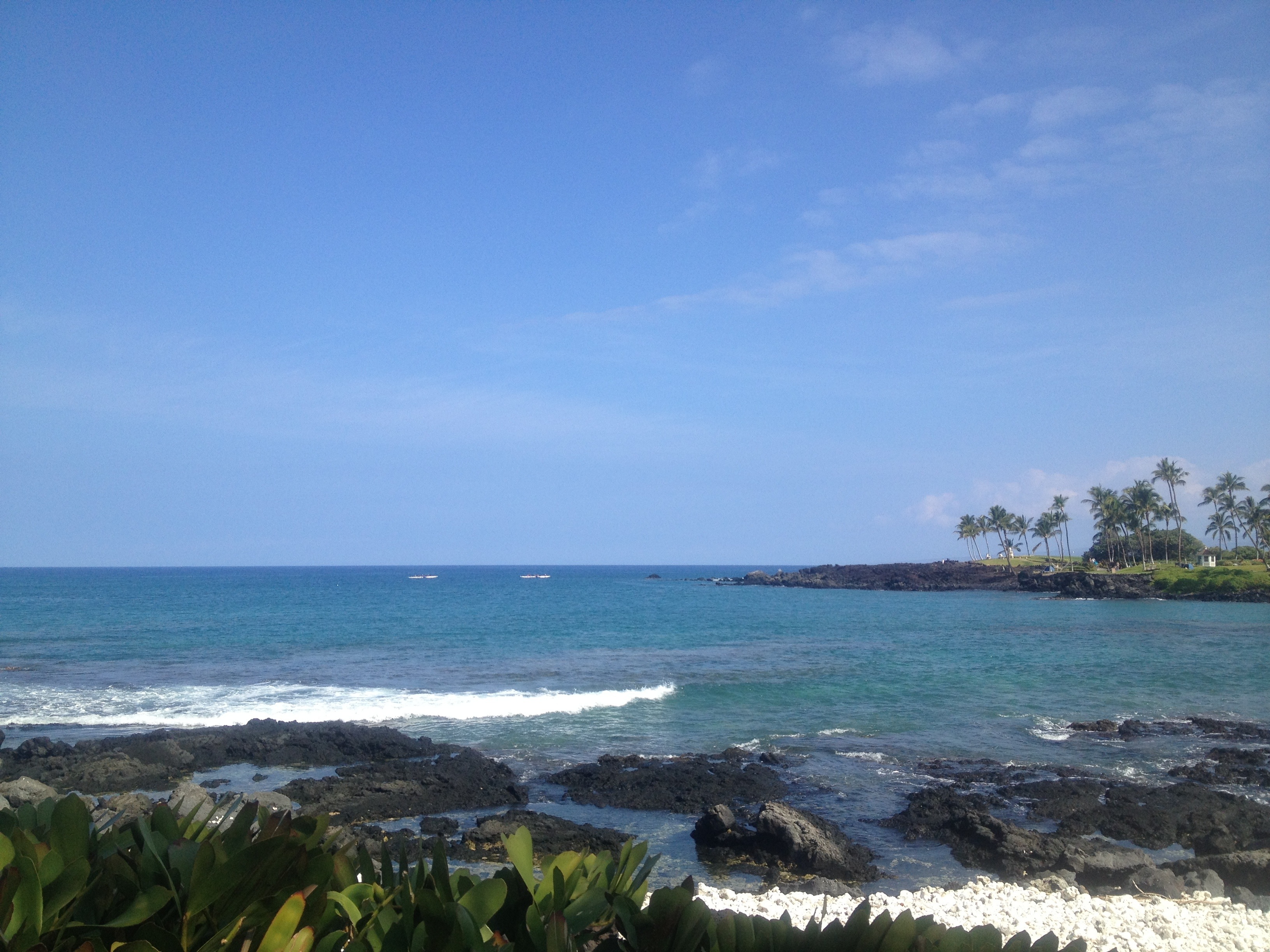
It was of course not the first time that we had taken a vacation, but this one was different on a few fronts. Before I go further, for those of you who did not figure out the title – it is a translation of the famous Rubaiyat, by Omar Khayyam. I can only wonder what he would have written if he had a chance to visit Hawaii.

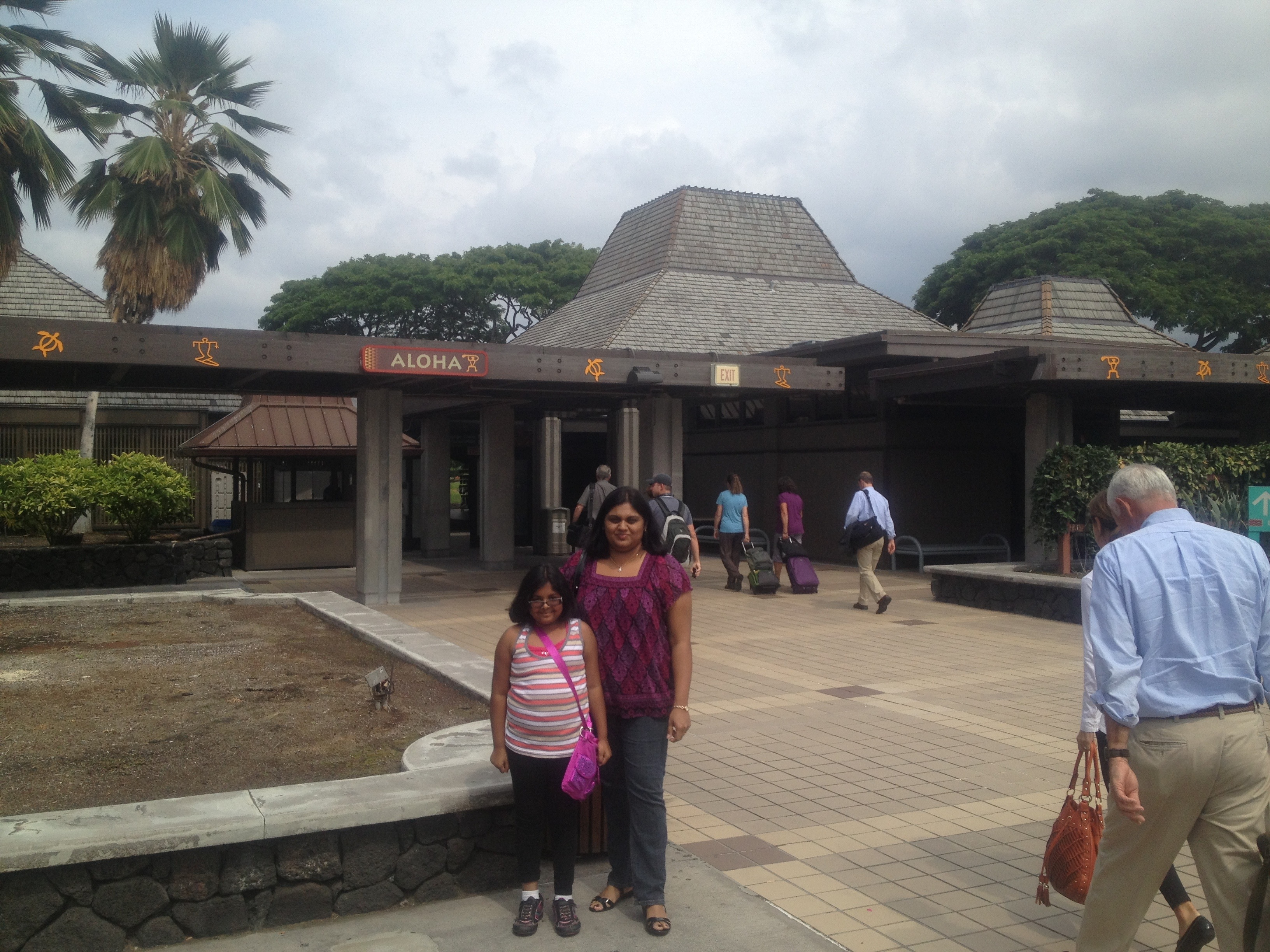
It was totally unplanned. It was decided at the last minute, and we flew about 24 hours later. It helped that my daughter had her fall break and my wife could move around her schedule at the last minute to make this work.

This was our first trip to Hawaii – despite having planned many a time before. Now that this one worked fine, we might finally be able to do the Australia trip soon. Special thanks to my pal Hendrik Van Geel for his constant encouragement to take a vacation.

The theme of the vacation was “Do nothing” – wake up each morning, and decide what to do that day, usually just trusting the GPS to take us someplace. Peeps who know me at work would probably be as surprised as I was, since I am known to plan and over-plan every last thing to a fault. Apart from a little reading I did on the way over to Kona, I did not even open a book while in Hawaii. And we probably watched less than 1 hour of TV that whole week – and that was to see the presidential debate in Denver.

From the moment we landed we saw the need to slow down a LOT. Nothing moves at speed in the island. Speed limits are low, people are unhurried, even restaurant service is on the slower side compared to the mainland. The place had “slow down and smell the roses” written all over it. It will be quite a challenge to pick up pace next week.

Let me take it from the top.

We woke up early, and dropped our two fur kids – Boss and Hobo, at the Pets Hotel.

The US Airways flight was quite comfy. As we boarded, I had a call from Vishal Sikka, the CTO of SAP. Although we covered some “work” topics, it was mostly Vishal giving me travel tips to the big island. These came in quite handy when we took a roundtrip drive to Hilo from Kona.


We had an awesome Thai dinner – Pineapple fried rice, Mai Tai were stand out.

As soon as we ate, we hit the beach. It was the most fun we’d had in ages.

We watched the sunset right at the beach. I don’t think my daughter had ever seen a sunset at the beach before.

Breakfast routine pretty much every day was to drive up to the Starbucks and enjoy a hot mocha, and a warm sandwich. Except for the last day, when we checked out the coffee shop at the resort.

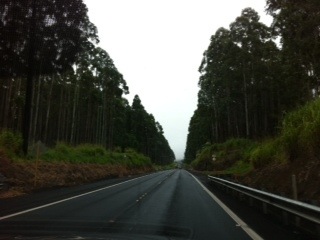
We took a 400 mile round trip to Hilo. It was a fun drive – the scenery and the weather changed almost every 10 miles. It reminded me of Ooty and Munnar in South India.

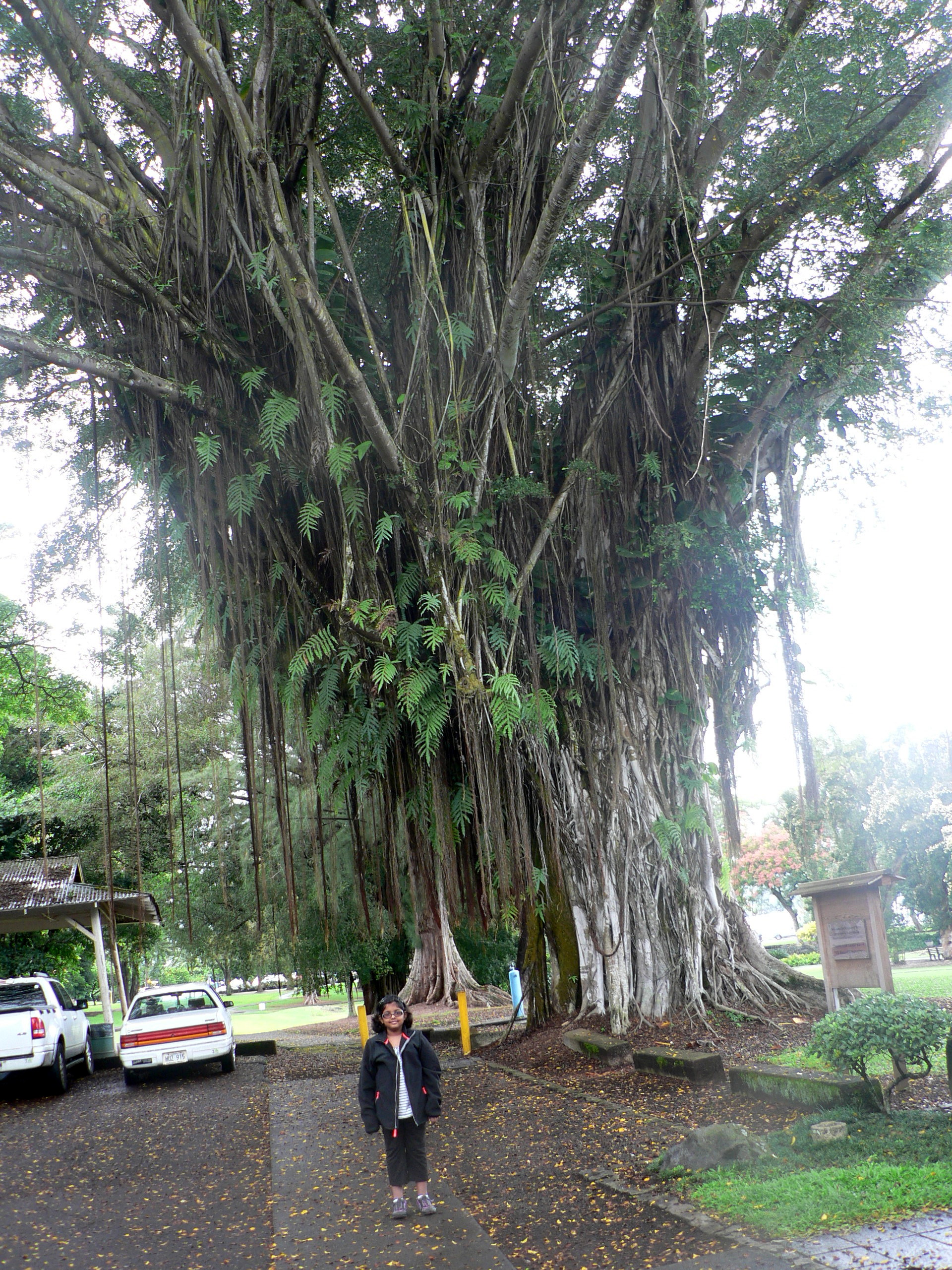
Where I grew up in India, the only place you could see Banyan trees were outside temples. So it was an amazing sight for me to see several big beautiful trees at the Japanese Garden.

There was a light drizzle when we got to the garden, and it added to the beauty. Not only was it lush green, the design made great use of difference in height of trees and plants for visual impact.

The fish ponds had an amazingly calming effect – you have to see it to believe it.

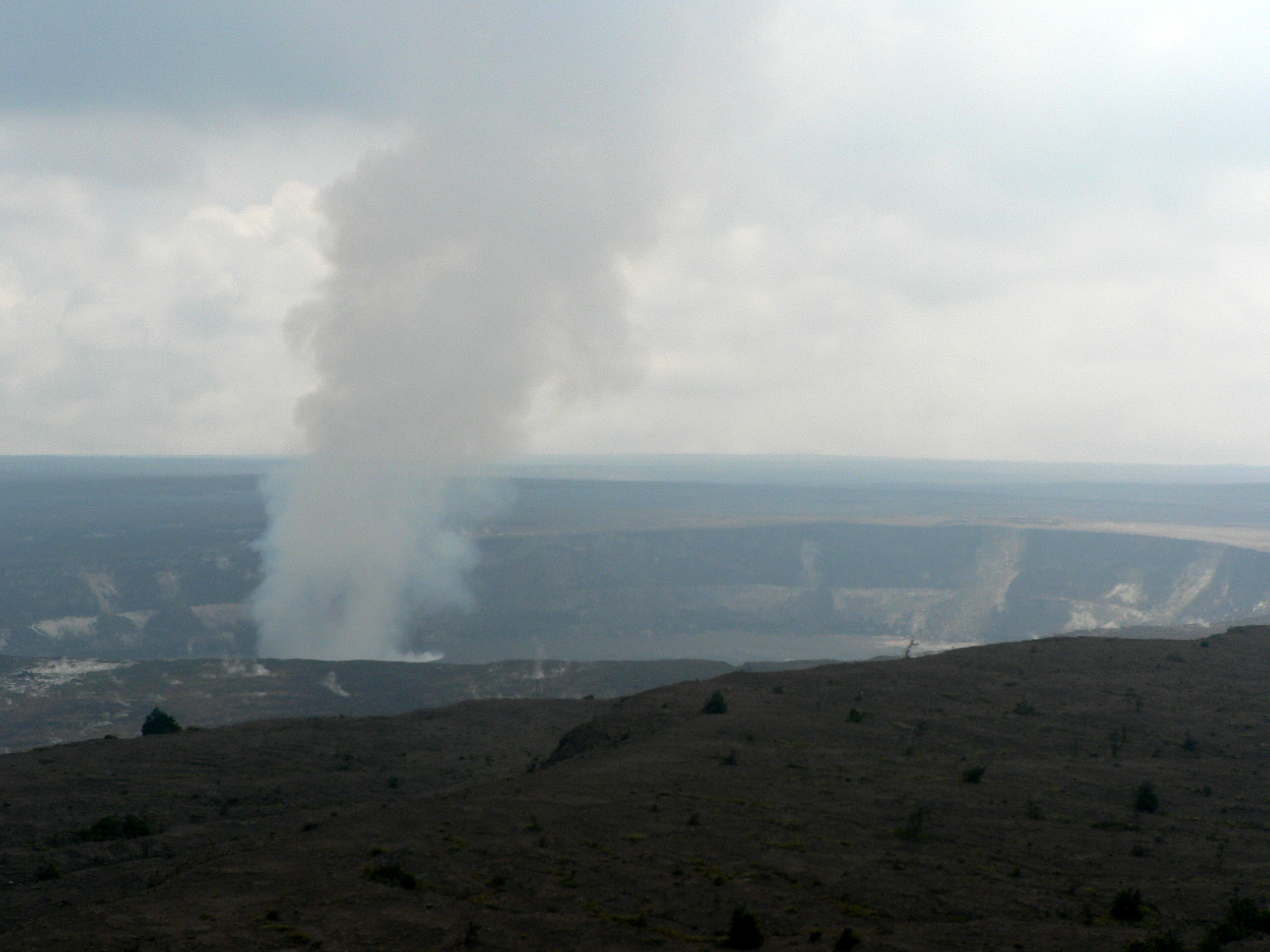
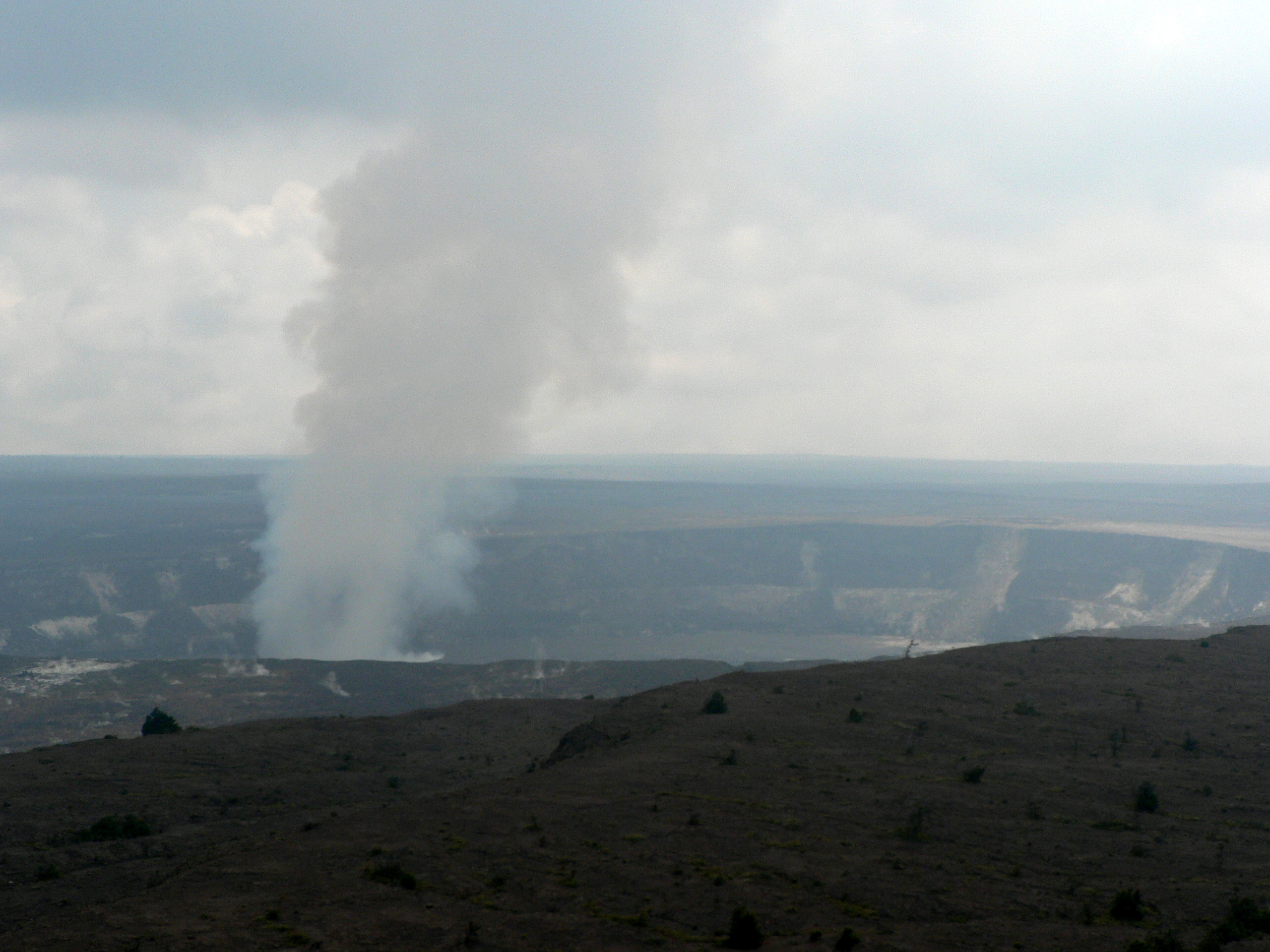
From the calming gardens, we drove up to visit the Volcano. Apparently you need to take a helicopter ride to actually see lava flowing, which we did not know at the time. But that did not take away anything from the awe inspiring crater and the huge cloud of sulphur dioxide and steam jetting out of it.

The highlight of the entire trip was the Luau. I would’ve had no regrets making the trip if this Luau was the only thing I could do.

Everything about it was awesome. Amazing food, drinks and performances. Star of the dinner was a whole hog that was roasted all day long in a pit, and dug out just before dinner in front of the guests.

The sunset was the perfect background for the evening. It reminded me of trips to Kanya Kumari made when I was a kid growing up in Trivandrum.

The last day on the island, we visited a coffee plantation. I have seen coffee plantations before in India, but Dhanya and Shreya were seeing it for the first time. We started the tour visiting 125 year old trees that were planted by the wife of the farmer who started that farm.

Little did we know that the coffee cherry has many times the quantity of anti-oxidants that most berries have. They can pick the cherries about 7 months a year on a trot. The red ones are ready to be picked, and the green ones need time to ripen on the tree.

The farm also grows avocados in 10 acres, just outside their 60 acre coffee plantation. I had never seen an avocado tree before. It took me back to my childhood visiting Grandma’s house where there were several mango trees, and we used to pluck raw mangoes from them much to Grandpa’s angst.

My parent’s house in Trivandrum had banana trees and papaya trees in the back yard. Seeing them in Hawaii took me pleasantly down memory lane.

Hawaii is so much like Kerala (which literally translates to the land of coconut palms), my home state in India, that I was quite nostalgic by the end of the tour.

Social Media In Marketing – Is It Too Much To Ask For Peaceful Co-existance?


While I have no claims at all to be a social media expert – I am an avid user of social media, especially twitter, Facebook and my blogs on SCN and WordPress. All of this week, I have been on vacation in the island of Hawaii – and although I kept away from work email (ok, except checking email couple of times on day 1), I was on twitter and Facebook when time permitted with hardly any “guilty” feeling. Social media never felt like “work” to me so far – and that has now changed.

I was both pleasantly surprised, and also pretty dismayed by what I saw on social media this week.

First about the surprise – when we drove up to Hilton Waikoloa for starting the second part of vacation, I was told I could not checkin for a few more hours. I have been a VERY loyal customer with Hilton, and have had a diamond status with them for several years. So I felt this was unacceptable, and I said so on twitter from my iPhone. To cut a long story short – I got a response in almost real time from Hilton customer service via twitter and then email, and got checked in pretty quickly afterwards. And then the customer service guy checked in again one day later to make sure I am treated well. I am totally happy with this – and needless to say, I will remain loyal to Hilton going forward too. In short – social media was pretty freakin awesome.

While we were having a lot of fun enjoying our little vacation , Oracle Open World was happening in San Francisco,CA. Since I was on and off twitter, I kept on getting infrequent updates on what was happening at the event. It was all rather low key till Larry Ellison took a swing ( rather small swing too, in my opinion, considering what the man usually does) at SAP HANA. Now, obviously SAP did not need any complex predictive analytics to figure out that Ellison will say something in his keynote about HANA.

Next thing I knew – twitter was ablaze with that news. The response from SAP was quite good in the beginning. Vishal Sikka, SAP Board member and CTO, wrote a very good blog on why Oracle is wrong about what they are saying, and why HANA is fundamentally different in architecture. Steve Lucas got interviewed by Business Insider on this topic too. Personally, I thought that was not the best medium for Steve to make his first response, but it was an ok article in general. Both Vishal and Steve sent a few tweets too. All was good till this point, and I did not pay much attention on twitter stream for next several hours.

And when I returned to the hotel room that evening, for the first time since I started using twitter, I felt that following only a relatively small set of people ( 186 as I am typing this) was actually a nuisance. My whole stream had like 90% hana content. It was mostly SAP employees pulsing existing HANA articles (including some of mine) and videos using the Oracle Open world hash tags of #OOW and #OOW12 . Some of the people who pushed out hana content at crazy high frequency are people who in the past have never done such a thing.

My first impression was ” Oh boy, SAP is in panic mode” and then ” This is a centrally organized offensive play – I am curious to see how far it will go” . And this is where my dismay at social media set in.

In fairness to SAP, obviously they had to do something to counter Oracle’s false accusations. And social media being a nascent tool in marketing toolkits – I doubt there were any established “best practices” for this type of social media defense (or offense depending on how you look at this, I guess) for SAP to use.

SAP is considered by many inside and outside the company as an expert in social media. So when SAP does something, I think it probably gives the impression to others that this is “best practice”. That comes with the “halo effect” attached to leaders. And if SAP should continue to be viewed as leaders in this space, they should seriously consider if this is how the future of social media should look like , especially in the context of marketing.

My own opinion is that SAP handled this in a rather heavy handed way. Looking at it with a quantitative lens, probably SAP got the results they wanted. They took over a good part of the traffic with hash tags #OOW and #OOW12 with HANA content. They clearly did a lot more than just story correction. As much as social pundits might enjoy the idea of marketing and corporate communications using social for more things – I think the net result is just more overhead for people who use these platforms, and event organizers. The need for sophisticated filtering just got more important and troublesome, in my mind.

But from a qualitative viewpoint – it looked rather tasteless to me. Taking over someone else’s event tags – especially using sponsored tweets, while that event is in progress is borderline bullying, and that is not what I expected a company like SAP to do. SAP has a long history of being on the right side of these things, taking the high ground. When excessive reaction happens – it just gives an impression that panic has set in. There is absolutely no need for panic – HANA is clearly superior to the EXA* products in what it does.

So far I have personally not seen any customer backlash – but then I have not seen or talked to any customers this week. Next week, I will be meeting several, and then much more the following week at Teched. It remains to be seen how customers view SAP’s social media onslaught.

Unlike SAP, Oracle does have a reputation of taking hard and aggressive stances on these issues. However, apart from a handful of tweets etc, I did not see Oracle trying to return the favor to SAP in real time. Of course it could be argued in two ways.

1. Oracle chose to focus on their own event, and chose not be bothered with SAP reactions.

2. Oracle had nothing to say, because SAP so comprehensively beat them on the topic.

I have no idea what was the real reason, but my instinct is to believe that Oracle, and other SAP competitors might now feel that it is totally fair game to target SAPPHIRE and SAP Teched events and try to take over the social media conversation around those events. SAP has multiple events coming up in the next few weeks – so we will know soon enough which way Oracle will go. I seriously hope Oracle will let it pass this time, and not try to respond in kind. It is not just Oracle – SFDC, Workday et al are all possible competitors who might choose aggressive social media strategies against SAP. For their part, I also hope SAP will resist the temptation of spending significant time at their events responding to Oracle and others, and just focus on their own stories.

Failing which, my back up plan is to take a break from twitter for a while. I used to think till last week that not checking email frequently will kill me. A week of vacation proved me wrong,so I am betting I will survive for a bit with out twitter too 🙂 .

Added http://aragonresearch.com/vendor-wars-customer-events-and-twitter/ This is what Jim Lundy of Aragon Research had to say about this matter. A good read.