AI in Cancer care and managing the great expectations around it


I woke up on Saturday morning and read this WSJ article IBM has a Watson Dilemma . As always when such articles get published, this was followed by a lot of criticism on twitter, linkedin etc – and I read most of them. And today morning, I saw this article on IBM blog site from Dr John Kelly titled Watson Health : Setting the record state .

I am very hesitant about expressing my personal opinion

Especially when my employer is the one being criticized. I am not an impartial party here at all – I am an executive at IBM ( Not a very senior one by any stretch – there are a couple of levels between me and the CEO) , I hold IBM stock , I am not a company spokes person, and till recently I managed a business of which Watson and Watson Health consulting services were a part of. Also, Almost exactly a year ago, I wrote about my opinions on IBM Watson after an analyst wrote an article that I thought I should weigh in, in a personal capacity.

On the other hand, AI is a topic I have great interest and some expertise in (Again, I am not a hands on ML developer or anything like that today – though that might potentially be one option in future given my passion).

I lost my dear Aunt Geetha to cancer a few years ago – she was a second mom to me. I was at the hospital with her when she fought the deadly disease for her last few days (I was on vacation in Trivandrum) , and I spoke with several folks at the hospital whose dear ones were going through the same battle. So anything that helps fight cancer is a topic I have a deep interest in, and one where I will happily donate my time and money.

So for what little it is worth, here is my take and I am just going to address two specific issues

Is Marketing Hype the big culprit ?

I am not a marketer by trade, though I appreciate high quality professional marketing. When I am in a sales role, I prefer a soft selling approach – and that might be because I am an engineer first and foremost. So, I totally get it when IBM Marketing gets accused of going overboard by someone on social media. I have also been in this industry long enough to know that without massive awareness created by marketing, no young technology gets the air cover it needs to mature. I personally know of no client who has made an enterprise purchase only because they saw awesome vendor marketing. Marketing opens doors no doubt – but clients subject their purchasing decisions to an array or dimensions ( proof of concepts, risk management, analyst reports , references etc)  before someone signs a check.

What I readily agree is that marketing does contribute to setting big expectations for new technologies. And big expectations are good – as long as everyone gets the nuances that go with it. When it comes to finding good solutions for deadly diseases cancer, I doubt it helps to not have bold goals. I always encourage folks to ask good questions – and proceed with eyes open.

Is it bad that Watson agrees with doctors most of the time ?

To state the obvious, it would be terrible if Watson and doctors disagreed all the time. But is it bad if they agreed most of the time ? The WSJ article implies that since human doctors agree with Watson most of the time, they stop using it or at least limit its use.

There are commercial use cases that follow the same pattern as cancer diagnostics. For example, Watson can ingest training manuals of several machines and can have a Q&A with a mechanic or a customer who is faced with a live problem. An experienced mechanic usually agrees with Watson most of the time, and probably does not see much value. But think about the less experienced mechanic, or a customer who is not technical. The solution is of high value to them. The ideal situation is that the experienced mechanic continues to train Watson (via agreeing and correcting when wrong) and Watson helps several lesser experienced mechanics and customers from what it has learned. That is the incentive to have the experienced mechanic continue to use Watson.

Sitting outside the room where my Aunt was struggling with her fight, one thing was abundantly clear to me. In USA, we have several oncologists and specialist hospitals that are the envy of the world. That is not universally true. Even in the hospital I was at with my aunt in India, there were plenty of oncologists – but nowhere close the number that is needed to cover the sheer number of patients. They have very little time to keep up with the latest in cancer care – or to even spend enough time with one of their patients. They deal with patients who flock there (and several of them thankfully don’t have cancer and was sent there because of poor diagnosis where they initially went to ), and even if that process can be streamlined – they can save more lives.

Now think of all the hospitals in a country with a billion people – and several of the people not diagnosed or treated just because of poor access to specialists !

I also vividly remember the line in front of the radiologist’s office there in India – one very tired lady trying her best to read images and make notes while highly stressed out patients and their relatives started shouting around her. I felt terrible for the doctor and the people around her.  With advances in computer vision, this scenario can be improved exponentially.

It it bad that Watson cannot figure out great solutions for rare cases ?

Ideally, I would love for AI to help us solve cases where humans have very limited options. I don’t think tech will solve this in near term. But that is not to say there is nothing tech can do today. It still can find useful information more quickly for a doctor than they can find manually, and WSJ article does talk about that.

There are several obstacles to getting AI to work as we need it to – and getting data organized for Ai to learn from is one big one. Even in areas where we have been at it for decades – like loading legacy data into a new ERP system, it takes a lot of effort . You can only imagine the additional complexity included in getting data in the form that an AI model needs to learn from. It is not an insurmountable problem, and newer approaches keep coming up and at some point it will become mainstream, and easy to estimate the effort.

That is where I see the true potential of AI , including Watson ! It helps take expertise from people and institutions that have it and move it places where no such thing exists. And if we can save one more life, or reduce the pain for one more patient, or reduce the grief of one more family who will lose a dear one- I think it is totally worthwhile. I sure hope we don’t give up on this journey !

The High Potentials


Ask any room full of corporate types “Please raise your hands if you think you are above average”, and I will bet you a venti coffee that more than half the hands will go up. I have also asked and have been asked this question myself. As soon as we raise hands, we also realize that we don’t really know what the average is and neither can we rationalize how most people raised their hands. The next thought is “I see that Joe raised his hand too and he is absolutely below average – so there are some people here who think too high of themselves”. Generally – the point is well made every time this exercise plays out – but the collective “we” still think pretty high of ourselves 🙂 . I think this is a good thing and even when misplaced , this element of confidence is what drives us all forward .

I don’t think anyone questions the idea that some amongst us have more potential than others – we just don’t agree easily by how much. We don’t (usually) hold a grudge against the ones who are unquestionably smarter than us – we generally admire them. However if we think they only have a marginal edge over us – there is a good chance that we don’t agree to treat them as a “high potential”.

At various points in my career across multiple companies , I have been tagged as a “Hi Po” . I have identified and groomed a bunch of HiPos myself . And I have listened to hundreds of colleagues tell me “there is no way that person is a HiPo” . And I have also fallen from grace as a HiPo from time to time – in cases where I agreed and in other cases where I disagreed with the assessment . My perspective has evolved on this topic along the way, and probably will change some more.

To begin with – I think organizations should rethink whether they have a logical way of identifying HiPos . This is one area where it’s a big mistake to lower the bar – even if that happens unconsciously. The obvious immediate risk is that you risk the business by giving critical role to someone not ready for it . Perhaps the greater risk is that other deserving candidates lose faith in the system and choose to put in less than their best , or worse – to jump ship !

Some critical questions could be raised on the people who make the decision and their process.

1. Are the people making the HiPo determination qualified to do so ? How were they selected ? Are they in tune with the market and what the future needs ?

2. How do they validate their decision ? Is the process audited from time to time and changes made ? Has bias crept in ? What happens when it is clear that a mistake has been made ? Is there an appeals process ?

3. Are candidates chosen because their peer group is pretty weak ? How do we know if they truly have high potential compared to the market ?

Sometimes it’s made pretty public on who are the high potentials in the team – and at other times it’s kept somewhat of a secret. Either way , over a period of time – everyone will come to know who these people are by looking at what assignments and promotions they get . In a transparent system – there is a good chance that others strive hard to be a HiPo . In an opaque system – there will just be a lot of frustration and corporate gossip. I have often felt that the reasons for lower transparency are in a large part because managers don’t want to deal with a large number of employees asking them why they were overlooked .

What if you think you truly have higher potential than the organization credits you with ? Everyone goes through this a few times in their career. Most of the time we attribute it to bad luck and try again and usually things even out for us over time. However , occasionally there is the case where you think you are repeatedly overlooked and less qualified people keep moving ahead of the pack.

Most of the time there is no sinister motive from managers and it is just a game of chance that didn’t do you any favors this time. But the true test of whether your organization is undervaluing you is to test yourself in open market.

A classic case in my industry is people who get stuck at a senior manager or an associate partner level and can’t seem to make it to partner level . They also see some others fly through the ranks and make partner at a relatively young age. It’s a tough pill to swallow. I think the partnership appointment process is a fair process in all the firms I know. I also know that a small percentage of people end up not getting through it for no fault of theirs. For such folks – my advice has always been “Go apply at another firm and see if they will hire you as a partner”. If you are a partner at one firm , there is a good chance you can make a lateral shift as partner elsewhere . But it’s an order of magnitude harder to do that if you are not yet at partner level . But it does happen from time to time – and unless you try , you won’t know if you were truly overlooked where you are or if you still have work to do . And the “still have work to do” might not be as big as you might think – usually it’s something as simple as signing up for a public speaking class. Or it might need you to build a better network – which is usually easier where you already work , compared to trying it in a new employer.

There is also the part of being more self aware. We need to realize that some people are smarter than us and deserve more success than we do. What we should not accept is any systemic bias – like “it’s because I am a woman or Indian or because I chose to raise a family ” . Those need to be fought !

This was all about what could go wrong in choosing or being chosen as a HiPo . But what about the great case of being chosen as a HiPo ?

I can say with no hesitation that being selected is generally the easier part. The really hard part is to continue to stay as a HiPo and realize that potential ! It takes very little effort to derail

To begin with, you are in a hard spot – knowing your management rooting for you and having high expectations , while some of your overlooked peers may play passive aggressive with you and team.

Staying grounded and humble is the best strategy . You also need to develop thicker skin – it can get lonely for a little bit while you find your feet . Your tone of communication will be put to test – it’s very easy to be interpreted by others as condescending or patronizing . And you have to resist the temptation of staying YES to everything – you are a HiPo , not a superhero!

But the most important – and perhaps the most gratifying part – is to help others in their journey to be HiPos . As you get bigger roles that are a stretch – your success depends on building a motivating your team. The ones that blossom as HiPos are typically those that quickly realized they need more HiPos around them to hit it out of the park . And you need to be ver comfortable with the chance that one of your protégés might end up as your senior somewhere along the way .

India continues to amaze me in both its digital and analog flavors


Earlier this month, I took a few weeks vacation in India. Usually I visit India every year – some times multiple times a year. But this time I was there after two years and I had a few good surprises. I locked away my laptop before I left – which is perhaps the best decision I made in the last month !

Immigration at Chennai airport on way in, and Trivandrum airport on my way out were both a breeze. No more paper forms – everything is digital. I don’t know for sure if they upgraded baggage handling, but every time I was in a plane the bags came out super quick. Airports have great WiFi connections too . I was especially impressed with the Chennai airport – very clean , lot of shopping and eating choices as well . I might have over dosed on filter coffee the two days I spent in Chennai 🙂

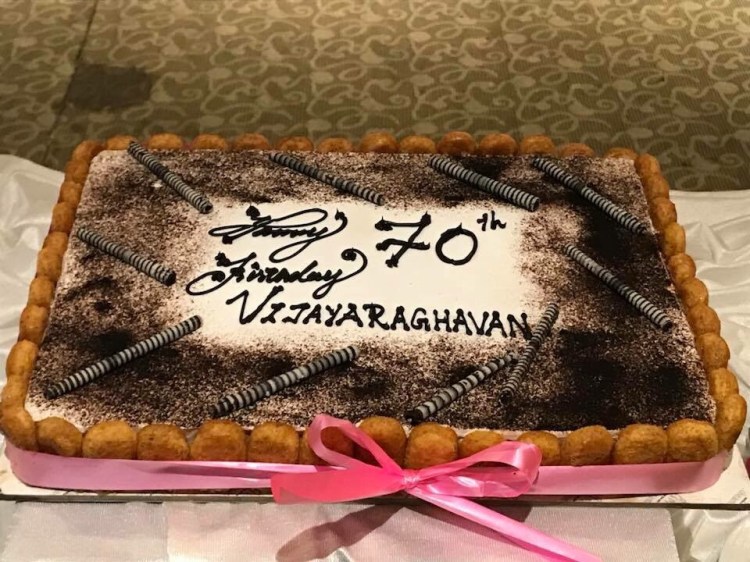
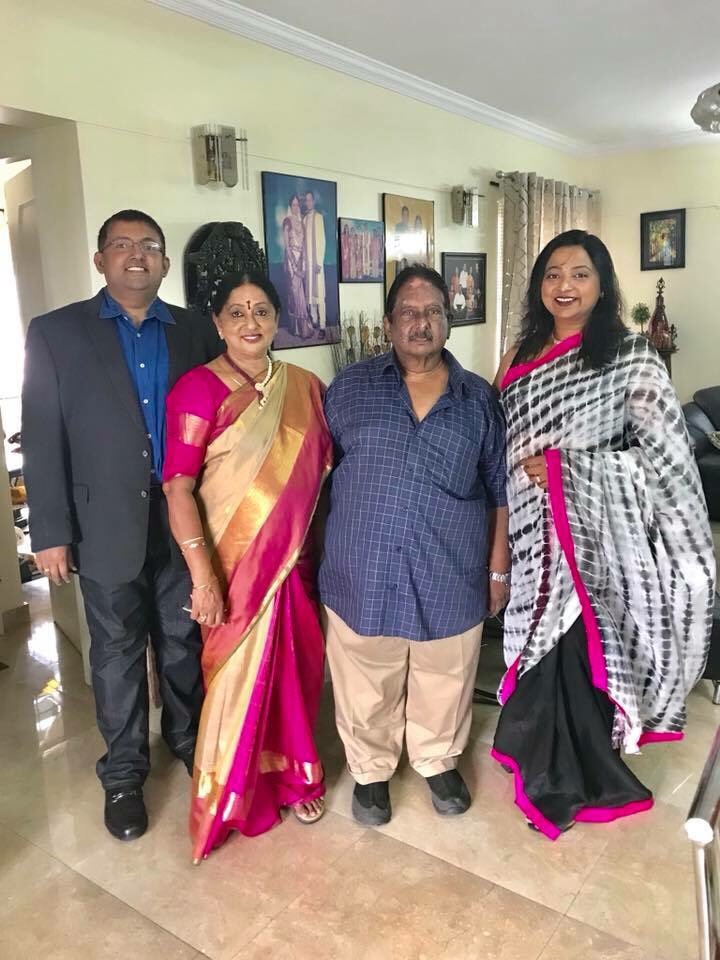
We celebrated my dad’s 70th birthday while we were there. Since my sister and I both live here, we did have some worries on organizing a large party remotely. We had no reason to worry – we could do everything online from here and the hotel took care of everything at the highest standards. I remember how much we had to run around just ten years ago when we had his 60th birthday party.

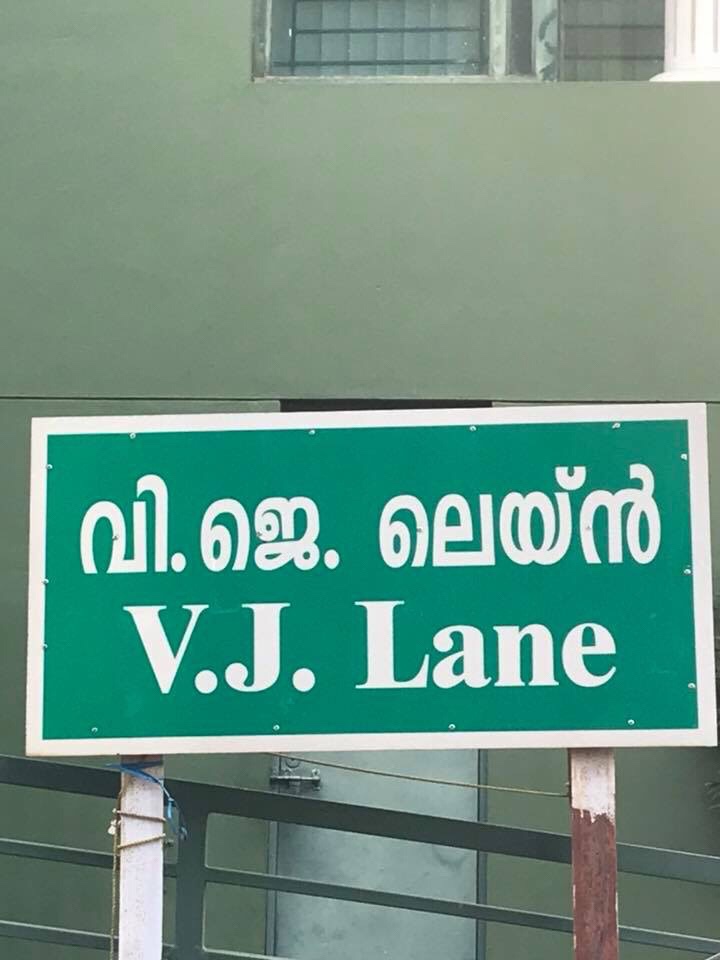
My favorite mode of transportation within the city is the three wheeler auto rickshaw . It’s also a big thrill for my daughter 🙂 . This time however I found uber to be fairly mainstream and not much more expensive than the autorickshaw . Availability is still spotty , but it still was a very convenient and economical option . I was also surprised at how well google maps work there – even though a lot of roads are unmarked or terribly marked with conflicting names and multiple house numbers and all that .

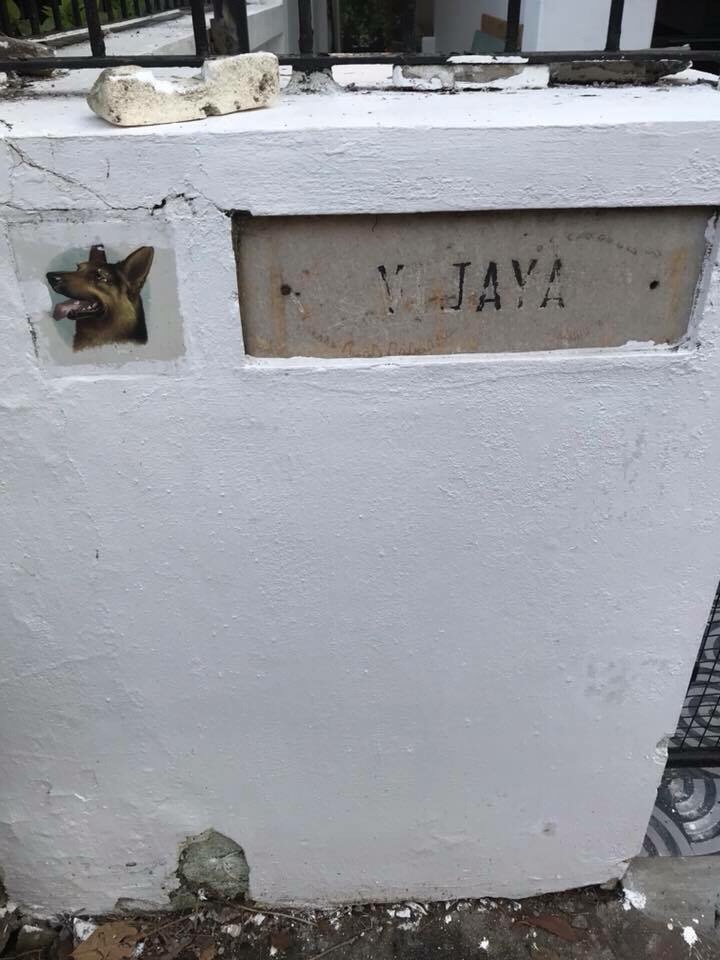
It was a lot of fun taking an early morning walk through my old neighborhood . Especially nostalgic to visit the house I grew up in and see the tile of a German Shepherd that my parents gifted me for axing some test in middle school 🙂

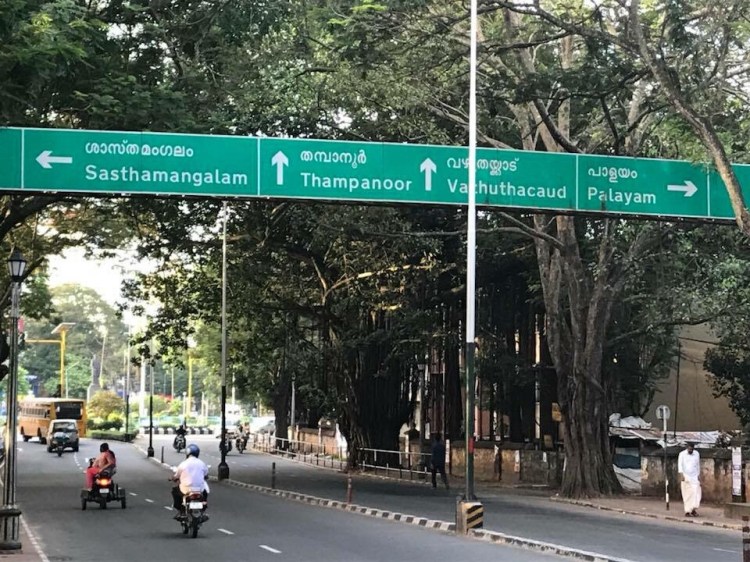
Clean as ever and most of the historic buildings seem to be well preserved. Traffic seemed to be about ten times what it used to be in my childhood , but TRIVANDRUM is still thankfully sleepy compared to the big metros .

I spent a half day at the SCMS college delivering the keynote on AI at their international web services computing seminar. It was a great event and the next day I saw wide coverage in the prominent newspapers. Unfortunately what was attributed to me in some of the reporting had no relationship to what I actually said. Oh well 🙂

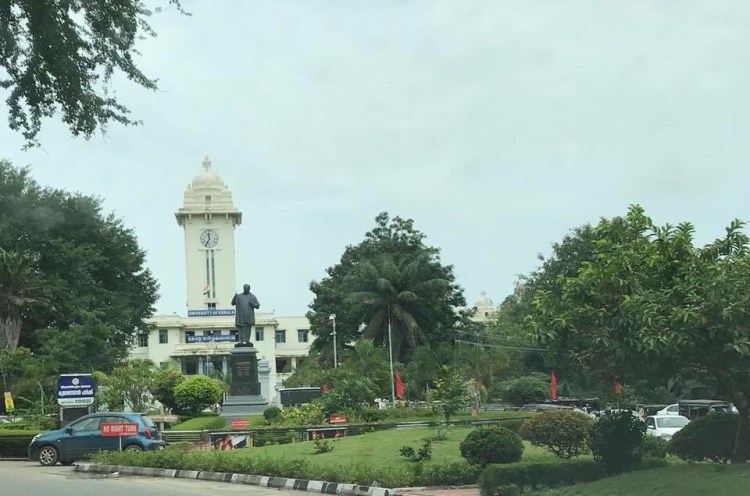
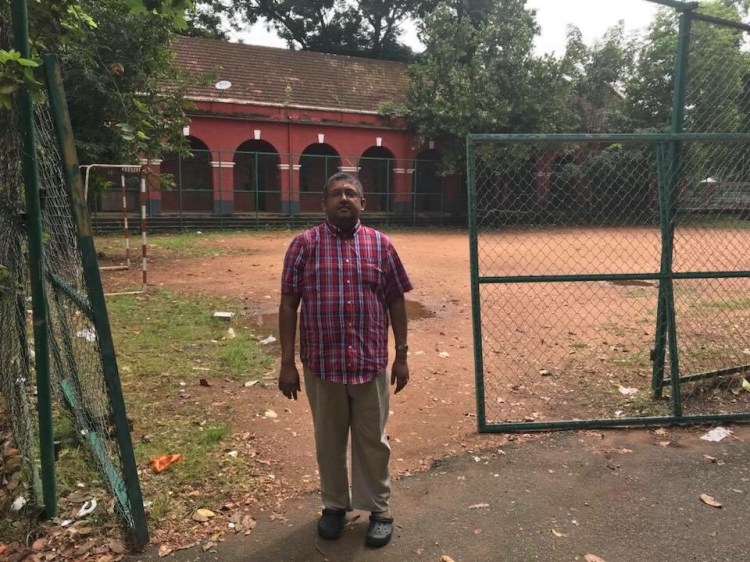
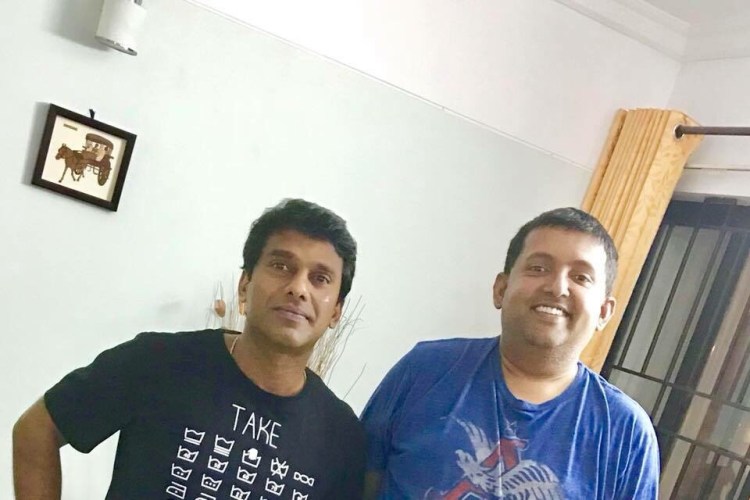
It was also a lot of fun to show my Alma Mater to my wife and daughter . My Grandfather , my father and I all attended the University of Kerala .

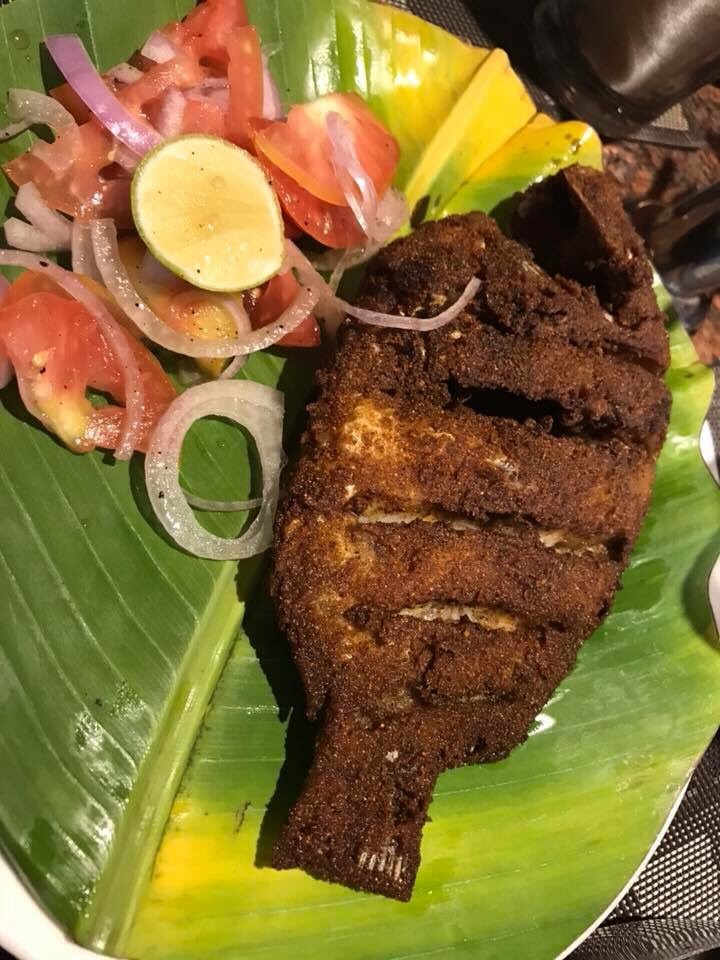
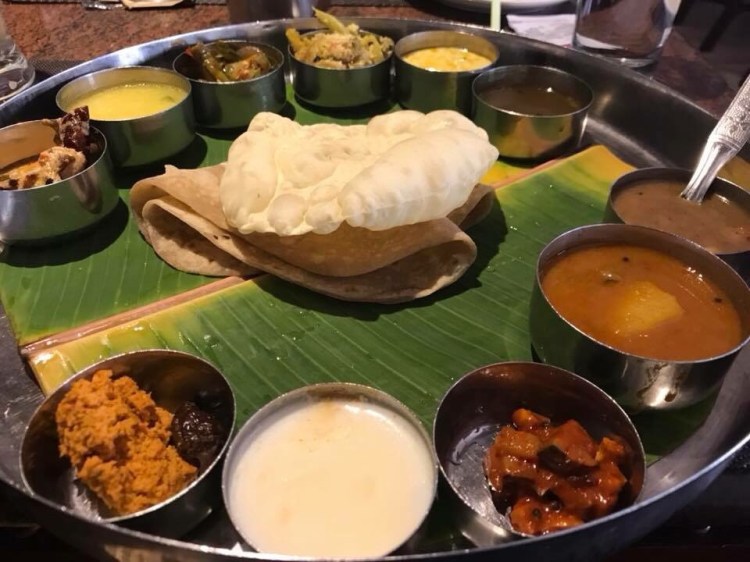
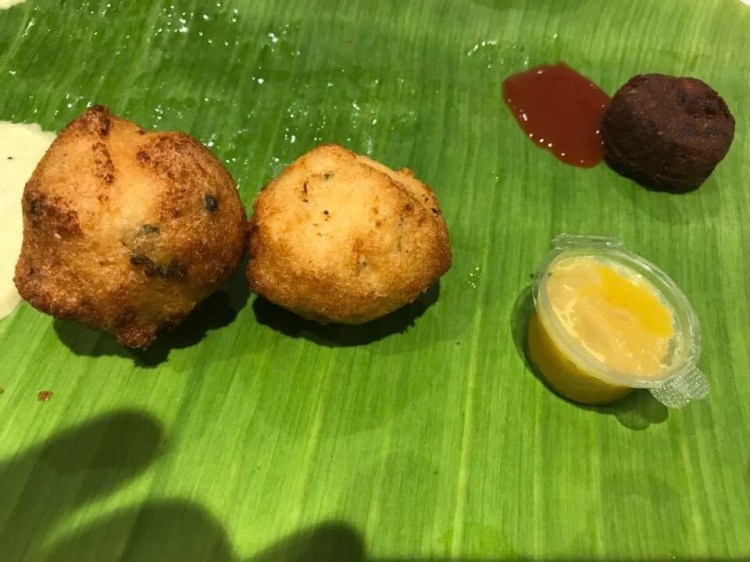
The food (especially fish and crab) was amazing as always – except for one incident of food poisoning that ruined a couple of days for me . And it happened at my favorite childhood fast food place . I don’t think I will ever eat there again. On the bright side, this time I ate more of mom’s cooking than restaurant food . So – No complaints !

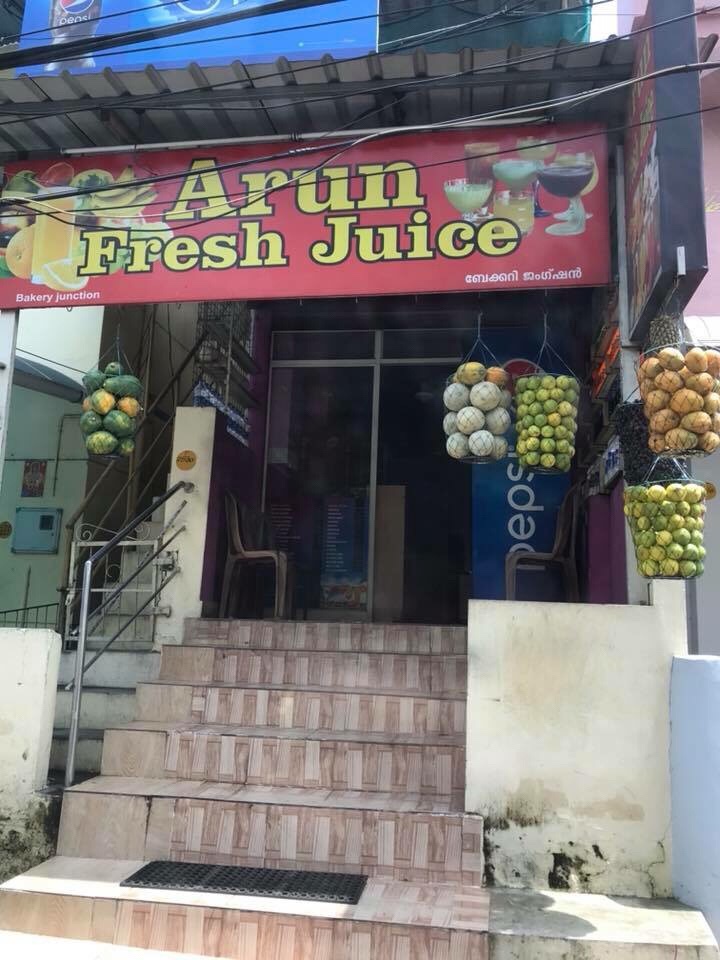
One thing I am very careful when returning to India is the water I drink . This time I didn’t stick to bottled water – mostly because I liberally patronized the fresh juice vendors in every corner. Nothing beats the taste of fresh squeezed juice – with Musambi being my all time favorite. And it costs less than $1 !

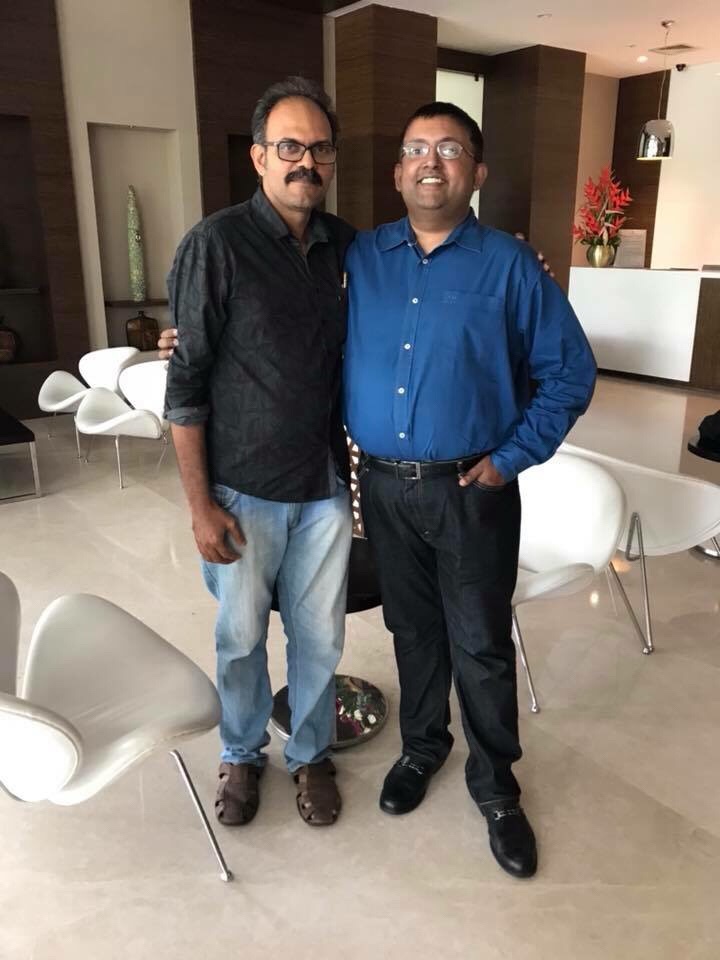
Thanks to a lot of family events, I couldn’t catch up with several childhood friends this time – except four . And I am so grateful that I could hang out with them briefly, catching up , eating and singing

Thanks to these conversations – I have a new found appreciation of how the demonetization efforts of central government screwed over the small business owners in Kerala . It seems to have brought down consumer spending to an all time low and some people had to close down for good. I also learnt how terribly GST has been rolled out – a process disaster and a technical disaster to go with it.

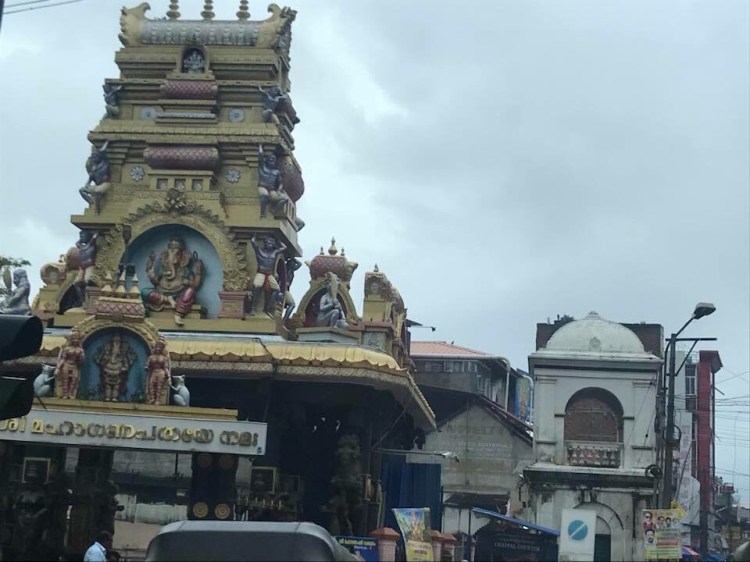
Then there were the temple visits – including my firm favorite Sree Padmanabha Temple which is an architecture master piece, and thanks to recent discovery of treasures – it is also the richest religious institution in the world

It’s traditional practice to break coconuts in front of the Ganapathy temple and I did so . And in the process I aggravated a shoulder injury that I thought had gone away . A doctor visit , X-rays and 3 days of physiotherapy later – I am on the mend thankfully . I was quite impressed with the Ananthapuri hospital – very clean , and efficient and mostly digitized workflows. For the standard of care I received – it’s as good , if not better than what I would get back in US . And all of this cost me about $30. Several friends pointed out that this is still expensive for majority of Indians – but I think India is headed the right way on healthcare front if what I saw is mainstream experience .

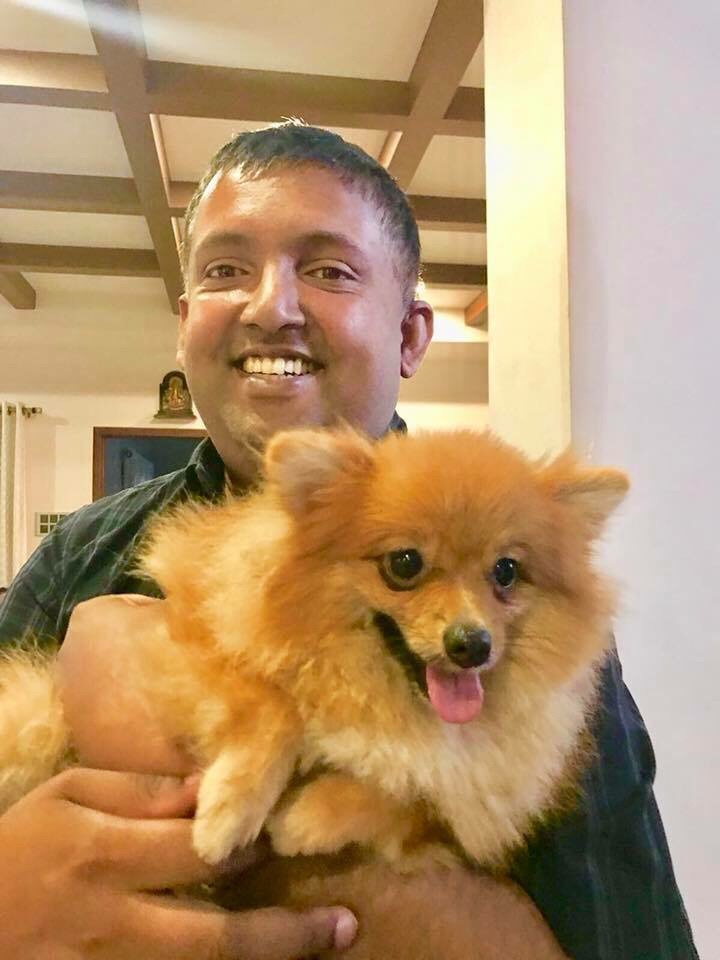
As much as I enjoyed the visit, in a few days I started missing my fur kids Hobo and Ollie. And then I met my aunt’s adorable Pomeranian puppy Roxie – and I was in my happy place again 🙂

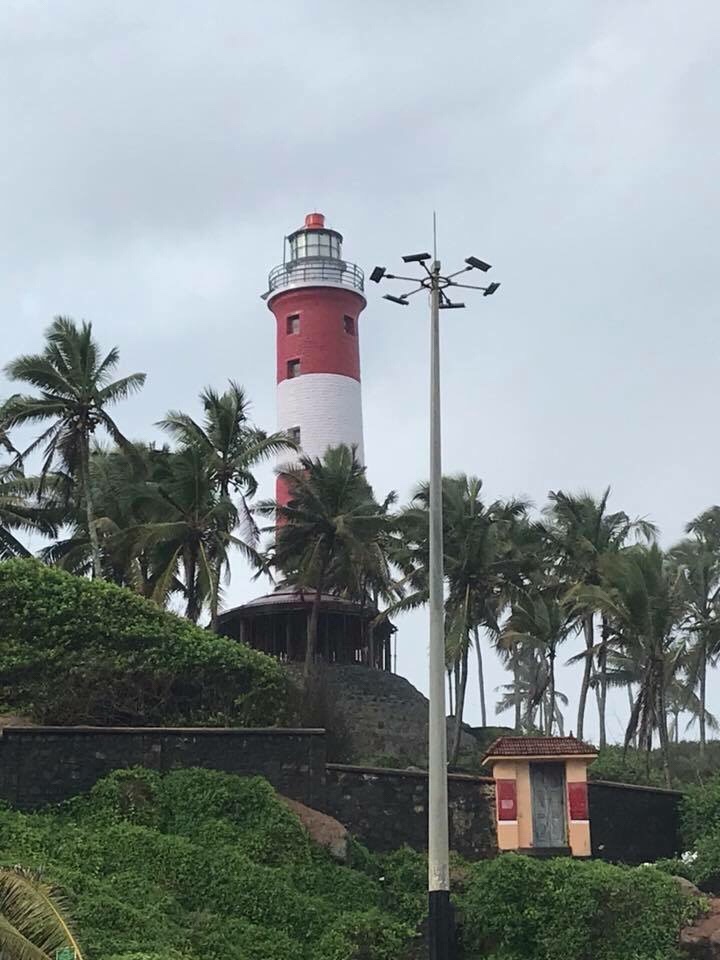
The last two days were spent at the beach with extended family from all over the globe for a reunion – and with monsoon in full swing. In my own very biased view – I think KERALA has the best beaches on the planet . Super clean , easily accessible, surrounded by greenery and relatively inexpensive to have a good time .

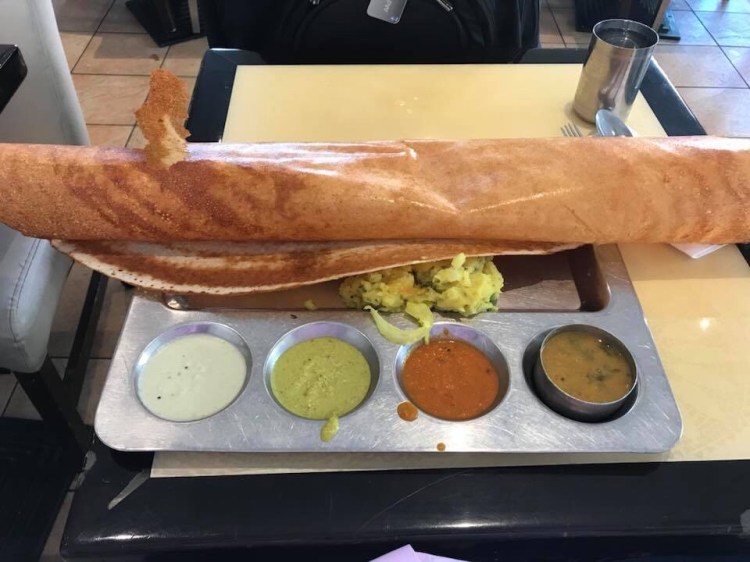
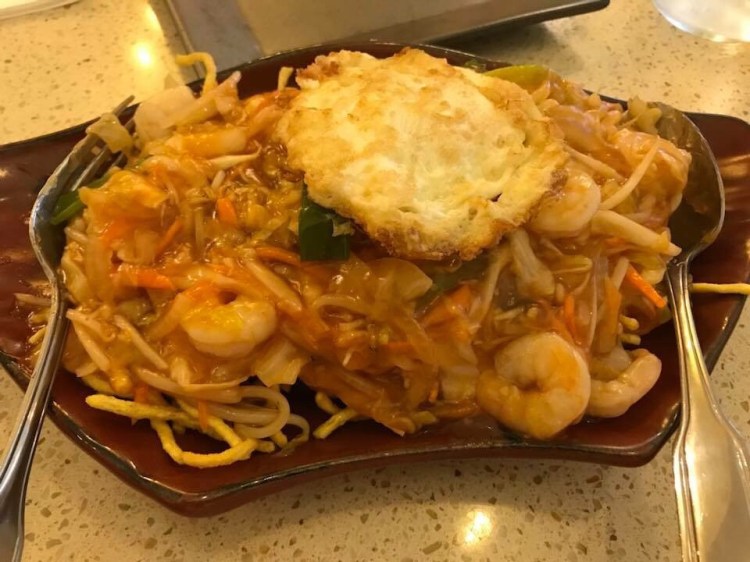
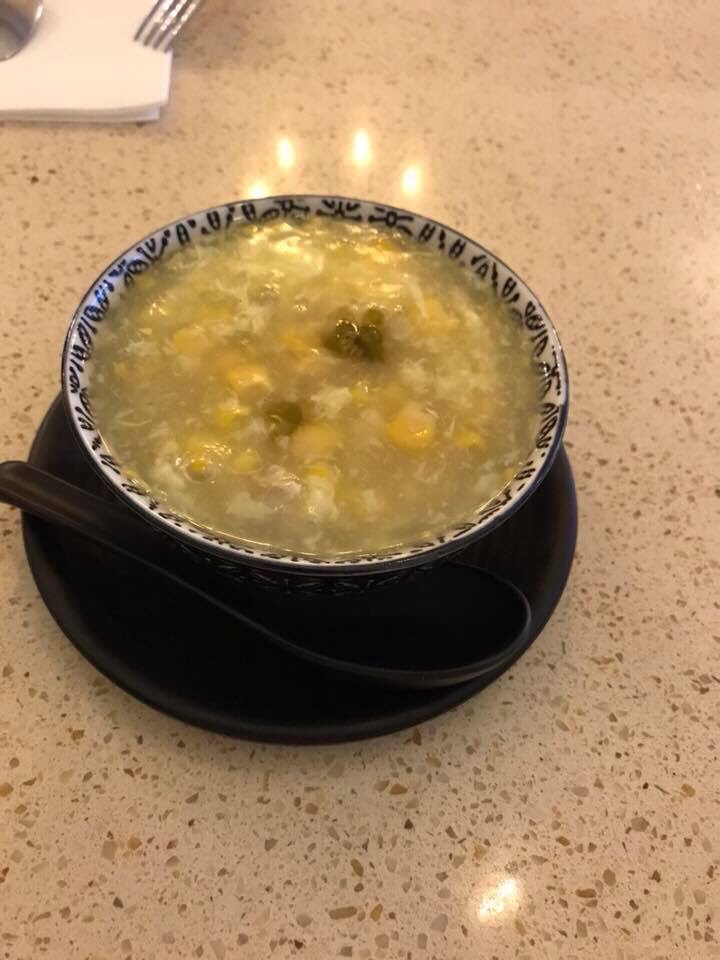
The reentry to work was rather abrupt – I landed on a Monday evening. I was up at 5AM answering calls from my boss and that afternoon had to fly to NY to meet my client . I woke up there in midtown with a craving for filter coffee the next morning . All I need was to take a ten minute walk to Saravana Bhavan on Lexington Ave to get my Indian Hangover taken care of . And that evening I checked out an Indo-Chinese place on the same street for dinner . It was almost like I was transported back to India !

The world is truly flat 🙂

Now I am back to what I do every time I come back from India – debating with myself whether I can retire there at least part time in future .