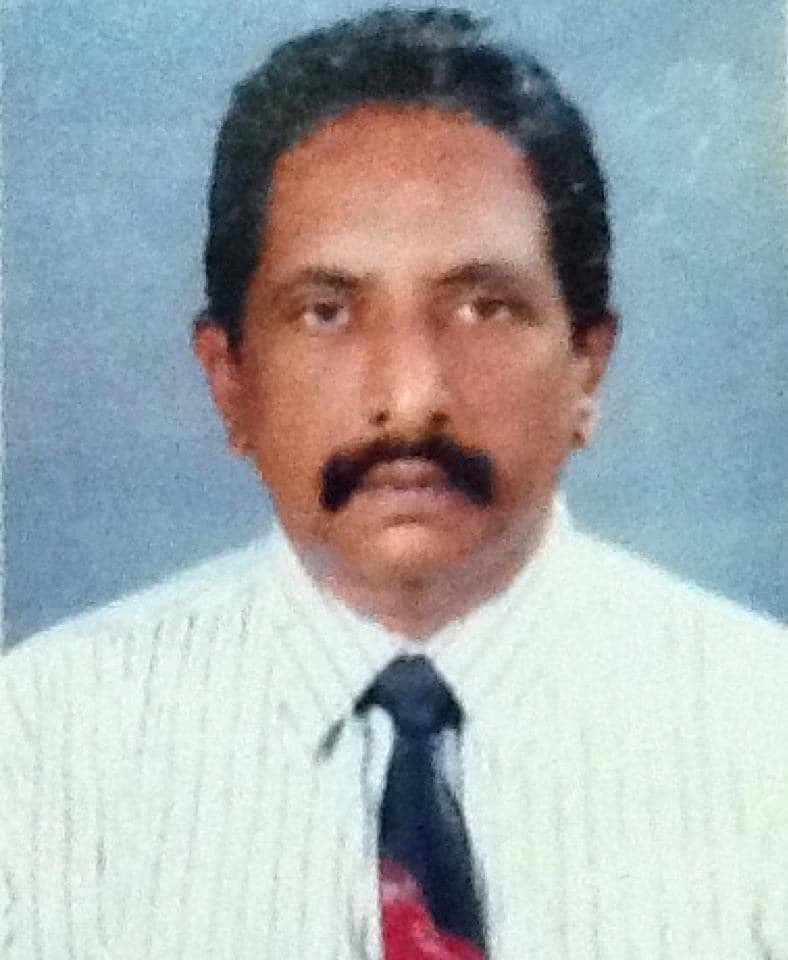
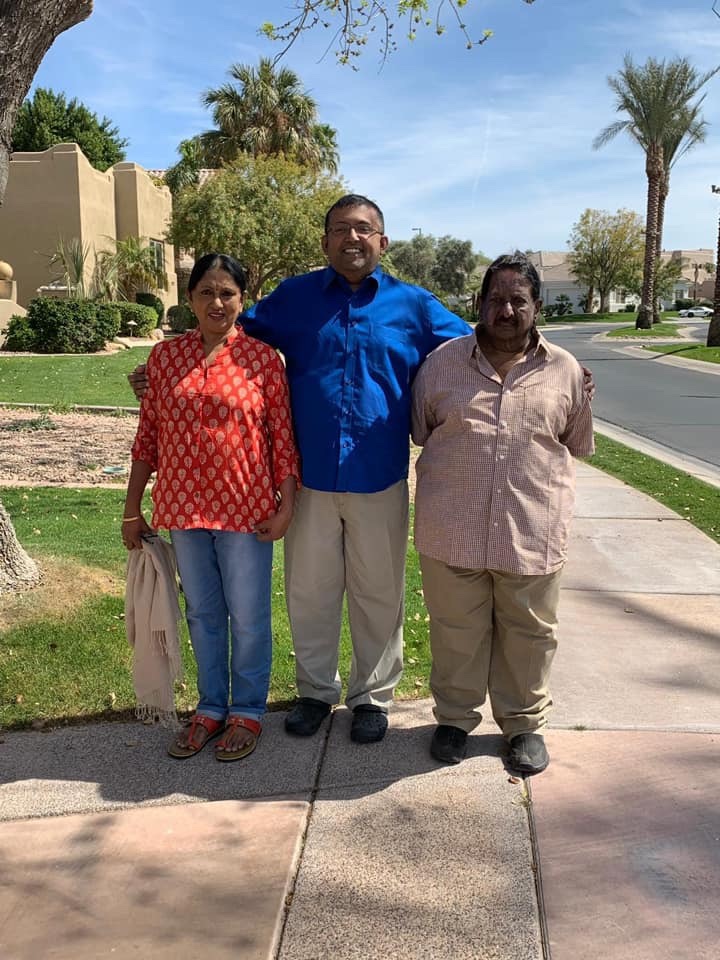
Rest In Peace, Acha


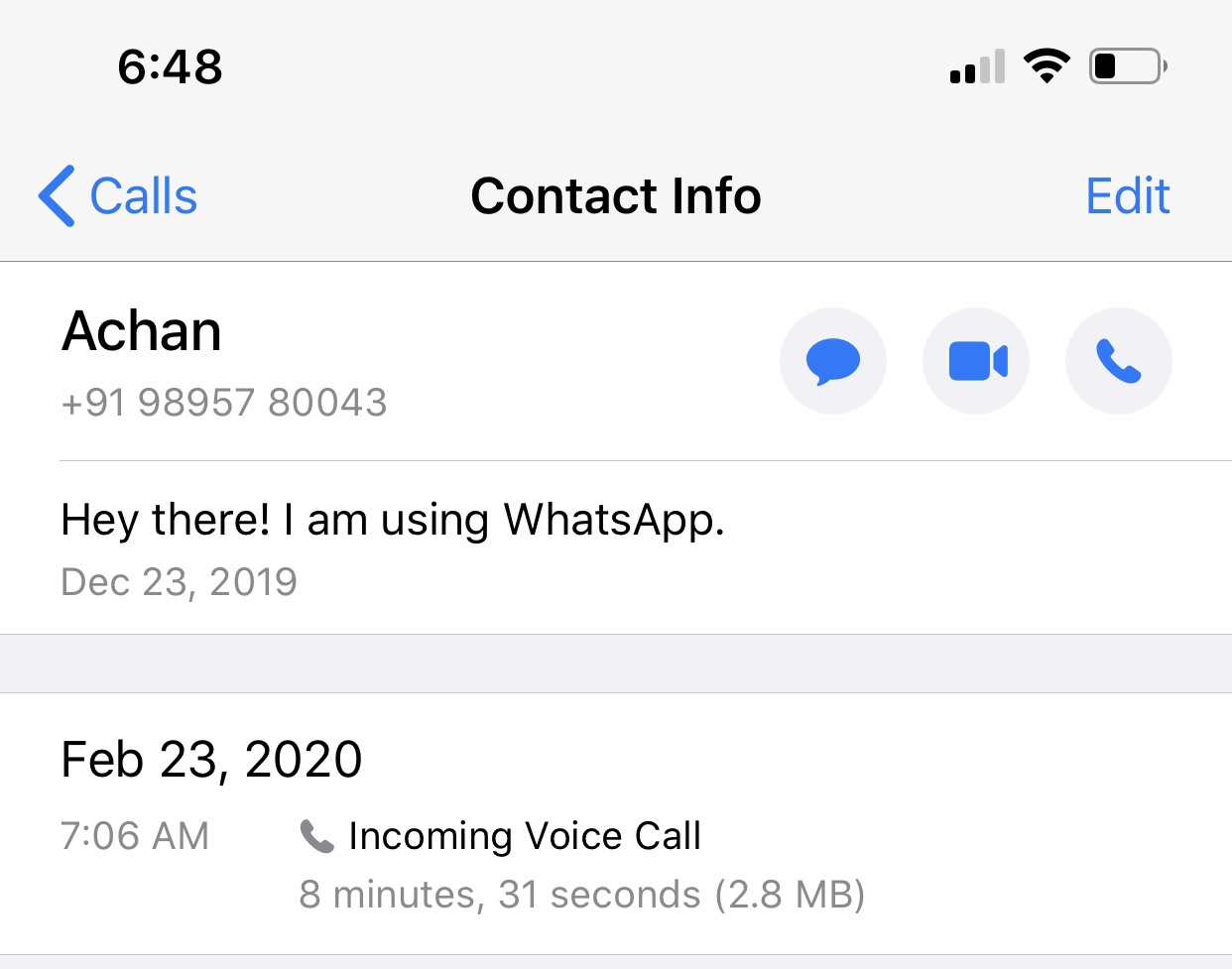
Feb 23rd evening in Chandler, my phone buzzed with a WhatsApp call . It was the first time ever that my father called on WhatsApp . He had only started with WhatsApp about a month ago or so and have been taking baby steps with forwards and so on . I immediately answered .

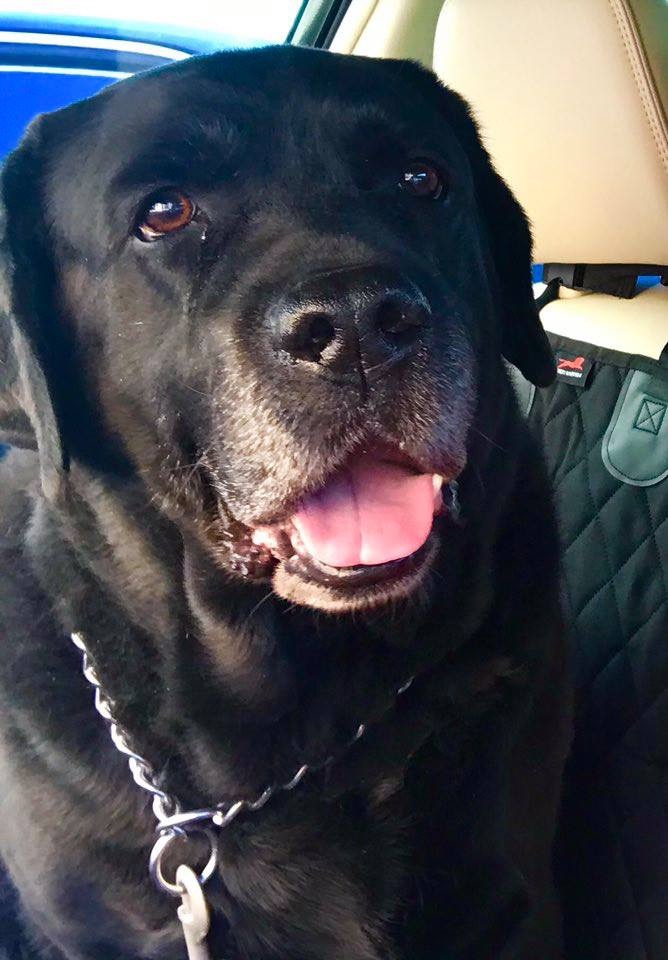
He called primarily to console me on losing our beloved Hobo a few days ago .

He insisted that I buy a new puppy quickly . I told him I needed some time to grieve but I am definitely planning to get a new pup soon . He took it literally when I said “soon” and asked if I planned to get a puppy in the two weeks before I left for India 🙂

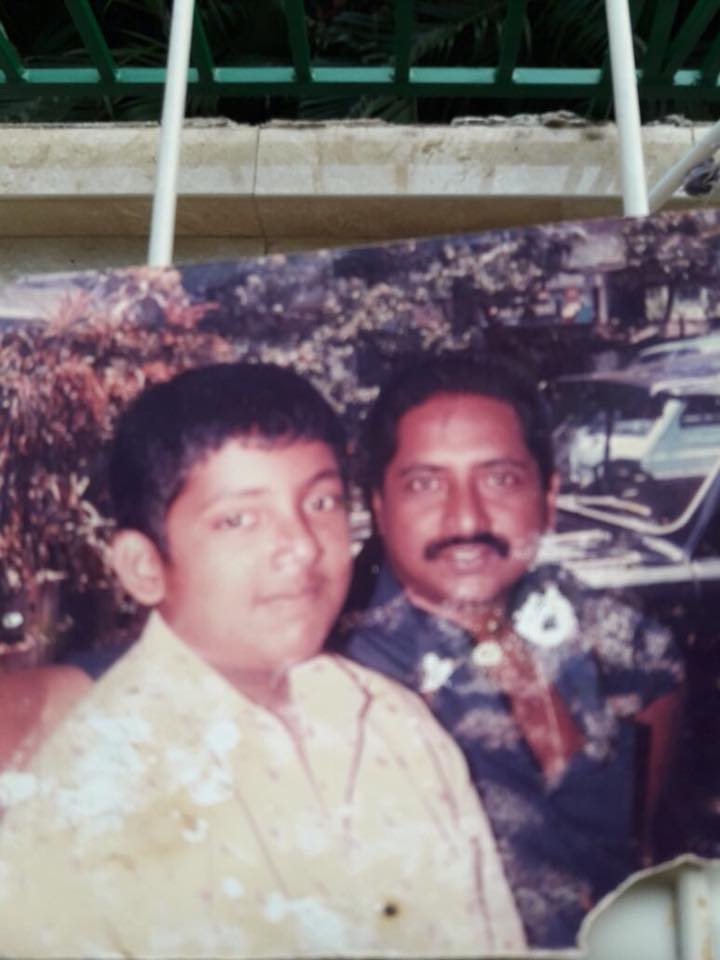
Till I left home after college , he used to indulge me a lot when it came to my love for dogs . My grandfather bought me my first fully and acha bought me everyone who came after .

He asked about our plans for our daughter’s 15th birthday and I told him about stepping out for dinner with her in a few minutes given the next day was a school day .

And then he asked me what only he considers a perfectly normal question – “How are your cars?” !

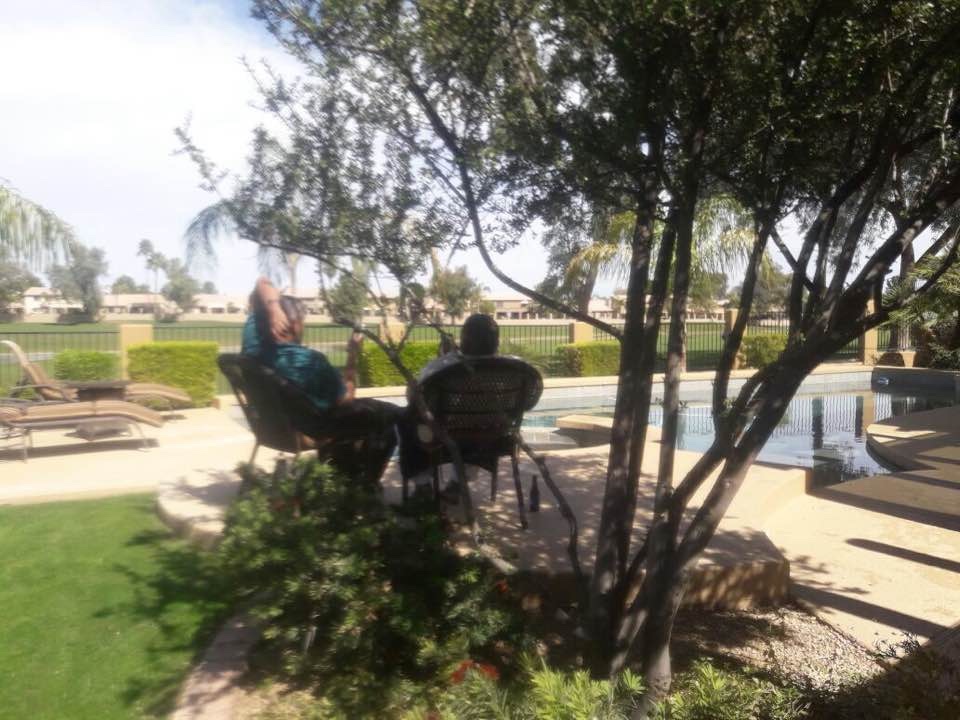
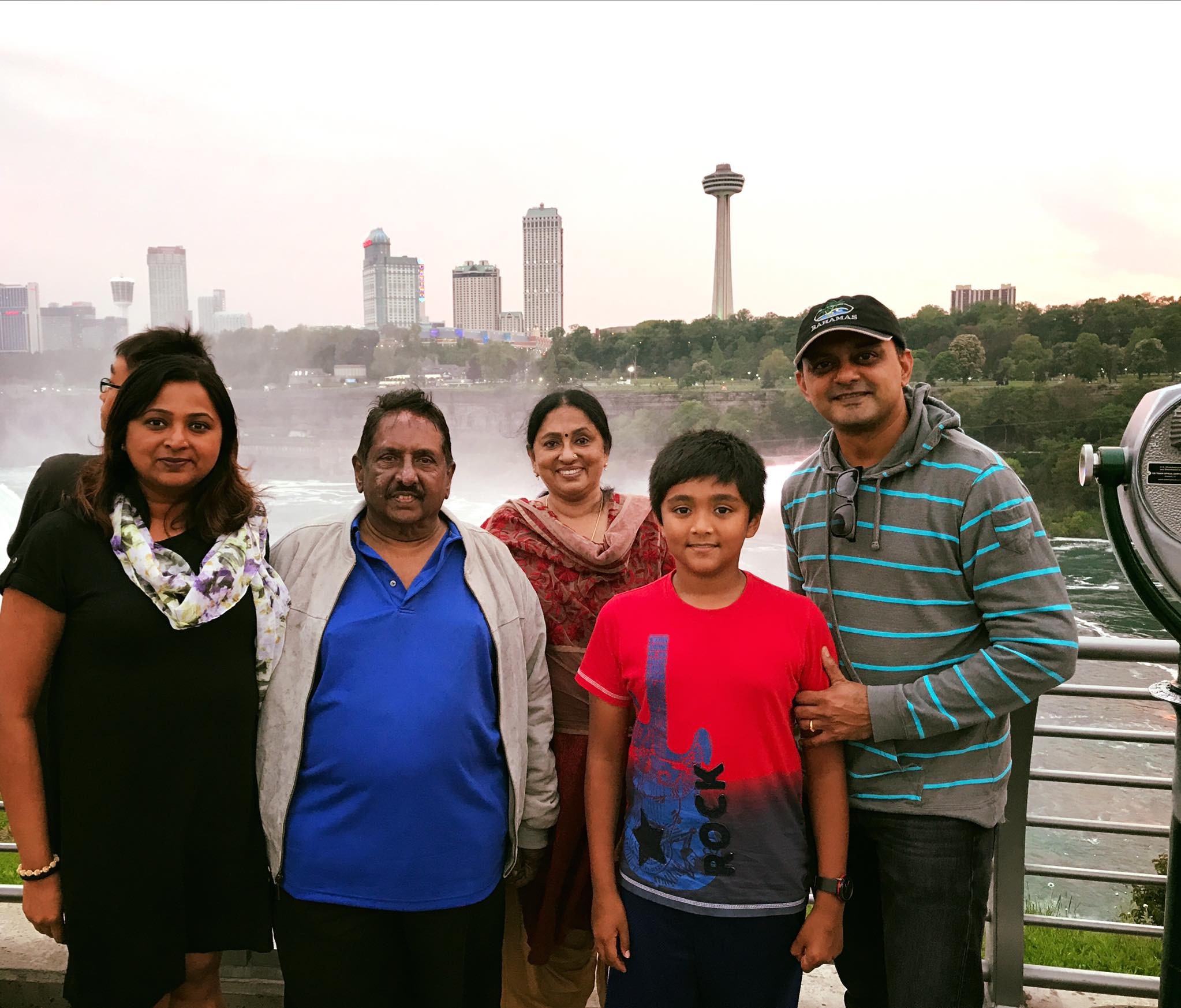
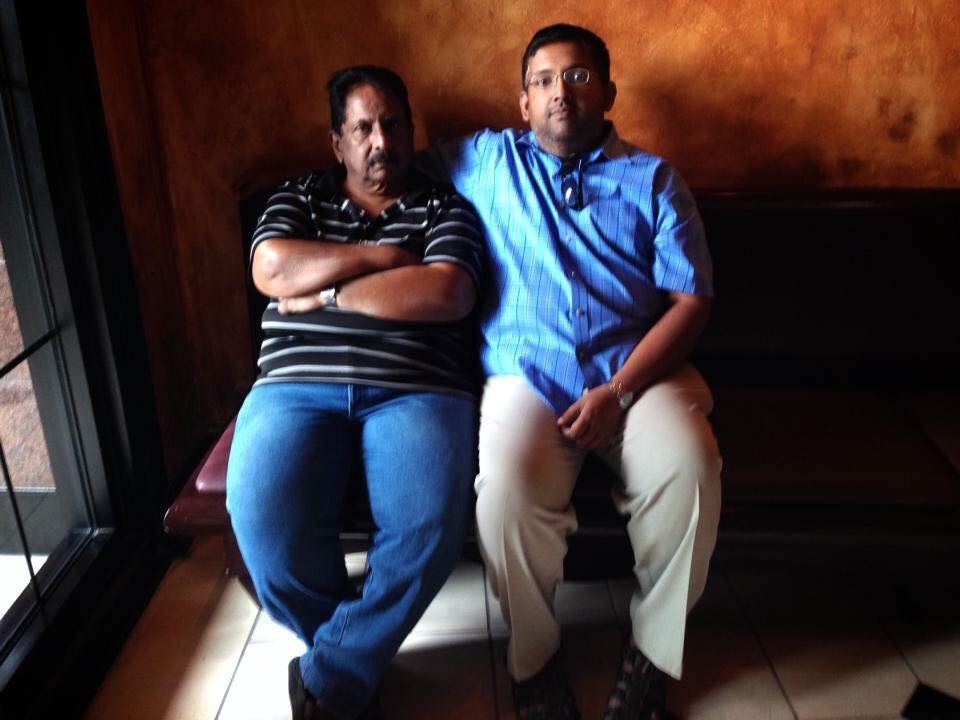
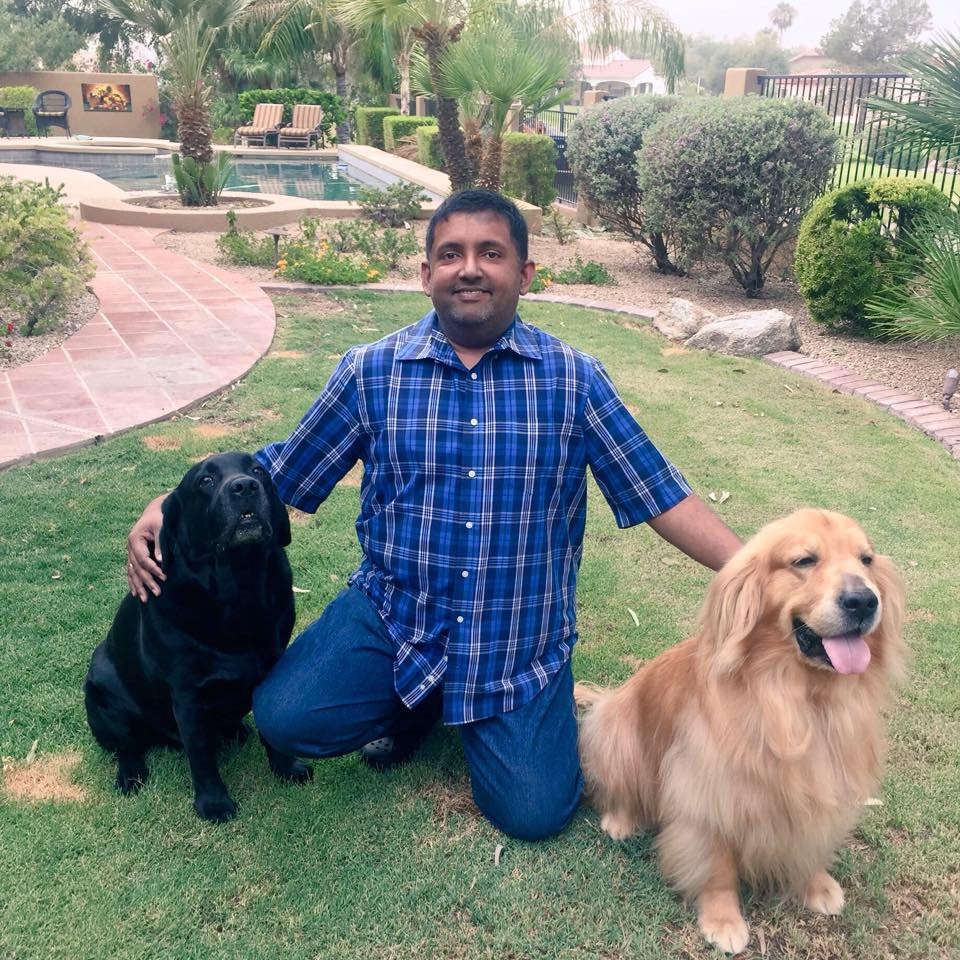
Achan was the biggest connoisseur of cars that I ever knew . Three years ago, when we needed a second car – I chose a Toyota over a Merc . And a month or two later , my parents visited at us Chandler for a vacation . Achan and I sat in our backyard and for hours we discussed pros and cons of engine design and the future of cars . Amma took this photo from behind us and later shared with me 🙂

Achan was a genuine mechanical engineer – someone who intuitively understood how machines worked . I became a mechanical engineer – not even half as good – because I wanted to be like him ! He taught me how to drive a car when I was 14 , over a summer vacation . He would park the car uphill , switch seats with me , and as I struggled to keep the car from rolling downward – he would ask me “tell me how a rack and pinion system works in the steering” or “explain how the clutch engages”. Needless to say , a few years later when I had to study automobile engineering in college – I aced it 🙂 .

He was a passionate driver , as is his maternal uncle who is only three years older than him . Between the two of them, it was common to go on 18 hour drives with Achan doing 9 hours of driving during day time and Maman doing 9 hours after sunset .

One of my fondest memories of childhood is sitting in the backseat of his white Fiat car and asking him to overtake a random car in front of us – and he would always oblige me !

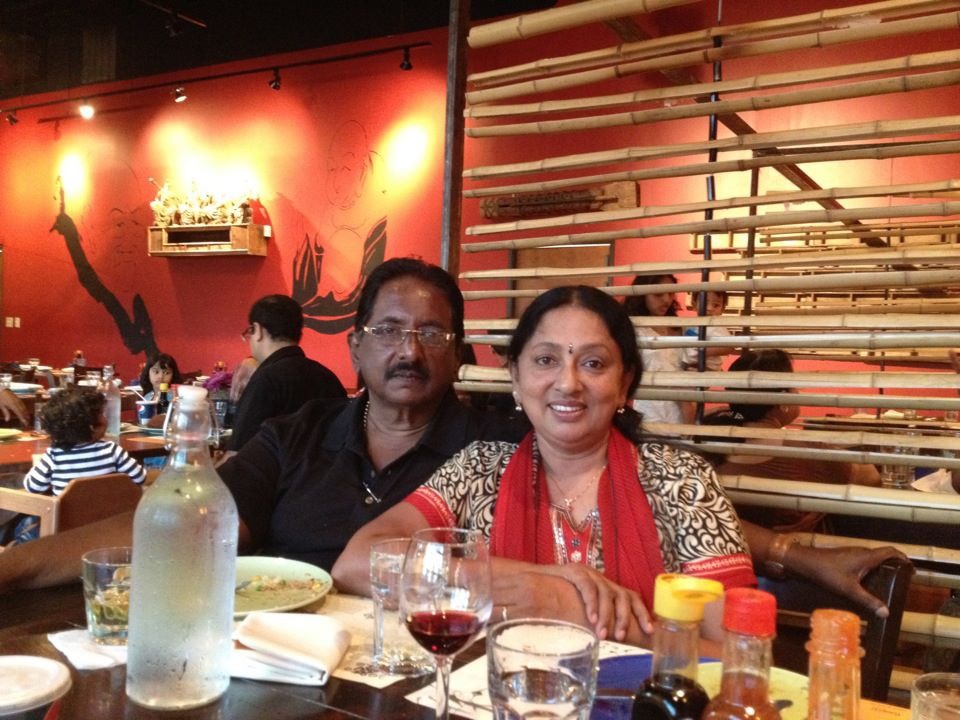
When I was a little kid , he would often take me to the local vegetarian restaurants and we would have Dosa . Those were our dad-son bonding moments . And that’s a tradition we have continued over the years – with me taking him out for Dosa when he visited me in US or I visited him in Trivandrum . I enjoy Sambar with Dosa and he enjoys chutney with Dosa . So every time we eat Dosa outside – I take his bowl of sambar and he would take my chutney bowl . And we would always order two cups of filter coffee each – one before the dosas and one to eat with the Dosa . Those are habits that have stuck with me all these years .

It turned out that my daughter and my nephew – his darling grand children – both enjoy Dosa , and I think he has trained them both on the art of eating Dosa the same way as he did with me 🙂

When I was five years old, I learned to play cards from my paternal grandparents . But it was Achan who taught my little sister and I (and some of our cousins as well) to take up playing rummy as a competitive sport 🙂 . Perhaps playing rummy was the only aspect of his life where he played to win !

He had a very special fondness for my sister Lekshmi , and her husband Ravi was like a son for him, much like my wife Dhanya was a daughter for him .

Any time I visited him and left – I knew he felt bad . But when it was she – he would be downright depressed and his eyes would well up .

She was his favorite baby girl throughout !

Achan never met a stranger in his life . With his humor and humility and sense of fair play – he put everyone at ease immediately. He was one of those very few people that had no enemies and he never thought ill of anyone – even those that didn’t do right by him . While he got along splendidly with everyone – there were two cohorts of friends that he absolutely adored . The first were his pals from the 1970 class of College Of Engineering, TRIVANDRUM . And the other was his family of colleagues from ALIND where he worked most of his career .

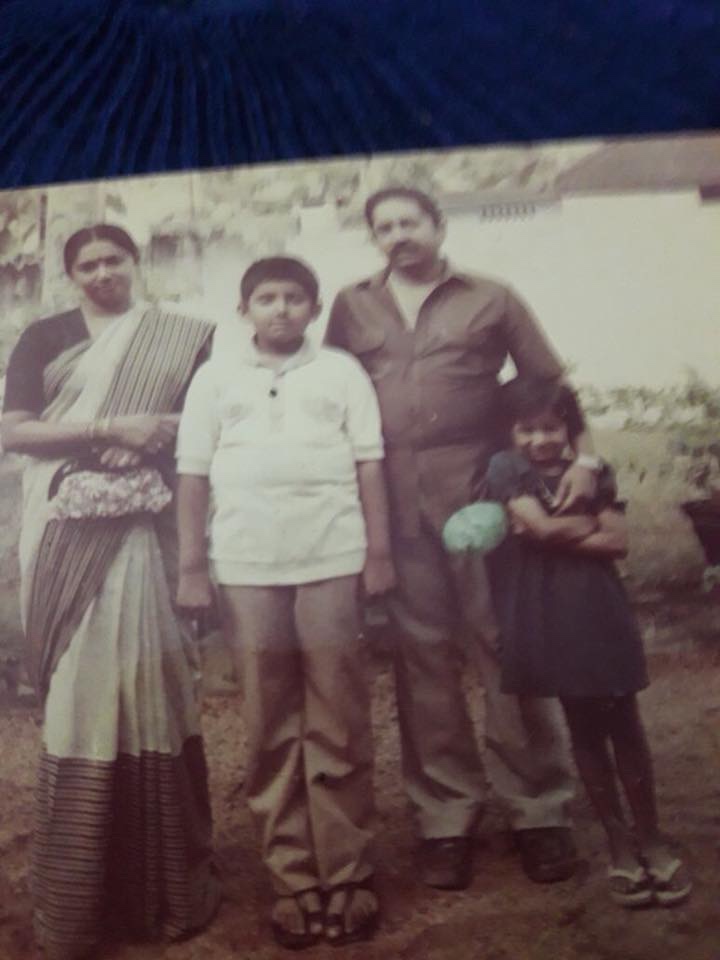
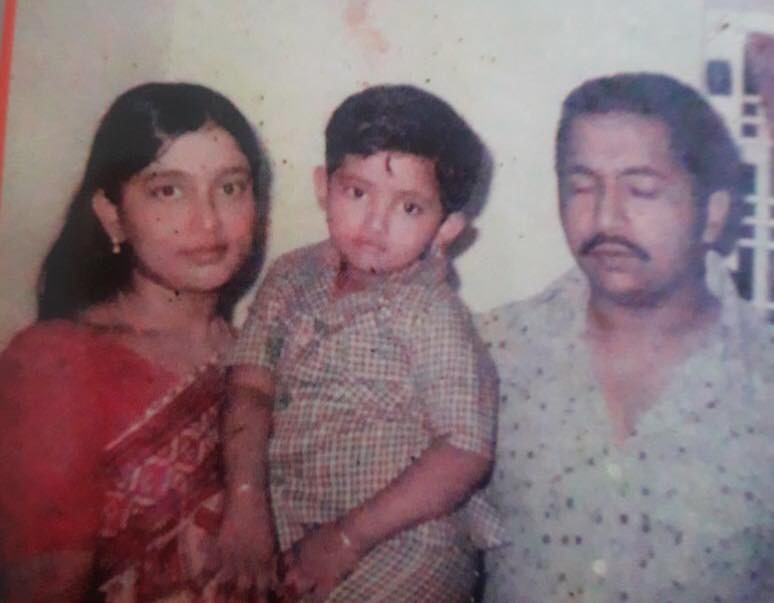
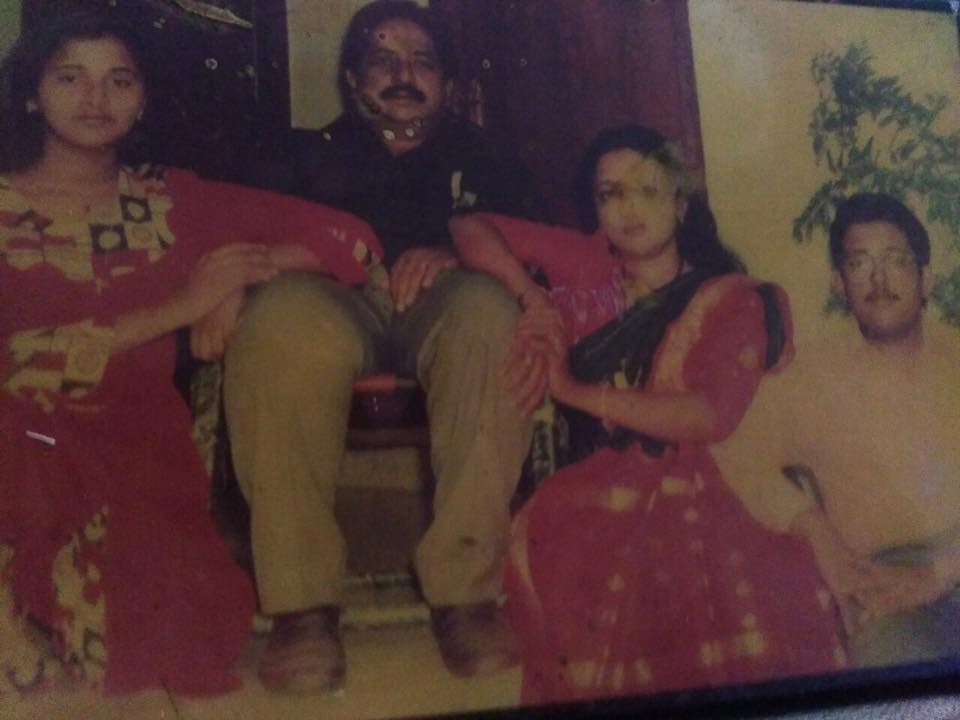
I believe to this day that the best thing Acha ever did was to marry amma . They were inseparable for nearly 46 years through thick and thin . They never made a lot of money but they had an incredible life together through their (often comic and some times tragic) ups and downs . They gifted us kids the wealth of a great education and taught us their values .

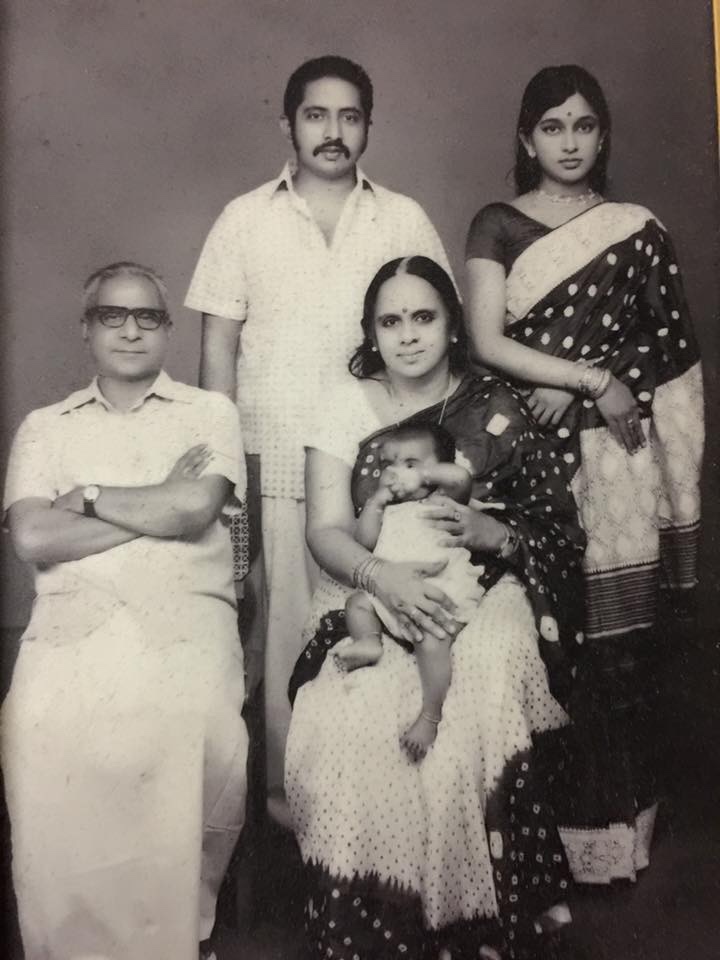
He was an only child and absolutely was the eye of the apple for my grand parents . We all used to tease my grand parents for rushing to grab extra towels for him when he came out after a shower even when he was in his thirties 🙂 . When they passed away, he took it really hard and used to say “Now I am an orphan”.

His dad was an award winning historian and his mom was a trained classical musician . Achan probably inherited his love for reading and Carnatic music from his parents and he dutifully passed it to me .

I introduced him to the music of Sreevalsan Menon some years ago and he became a die hard fan . As he lay unconscious in the critical care unit of SK Hospital last week for several days, I played his favorite songs for him via the pink headset that my daughter had gifted him and I hope that he enjoyed it as he always did .

As it turned out, that 8 minutes and 31 seconds WhatsApp call on Feb 23 evening was the last time I spoke with him . And the last thing I told him was that my cars are doing fine 🙂 .

Yesterday night, I held his hand while he went into his final sleep peacefully . As the flames took his earthly remains today afternoon , I couldn’t help imagining his parents were waiting with open arms – and extra towels – in heaven for their favorite son !

We will miss you for ever, Acha – but you left us with such great memories for a life time that will keep us all going . I am sure you will be driving your favorite cars in heaven , and blasting your favorite songs !

Post Script

Many thanks to all our friends and family for all the kind words and prayers . A special shout out to Malu chechi and Hemachandran Chettan for going way above and beyond . And a lot of gratitude to the doctors (especially Dr Ravi , Dr Remya and Dr Renju) and nurses at SK a hospital for taking such good care of Acha and for answering all our questions honestly .

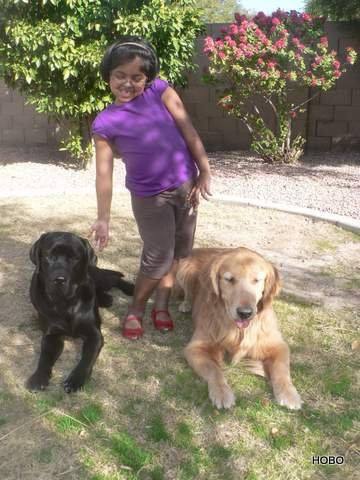
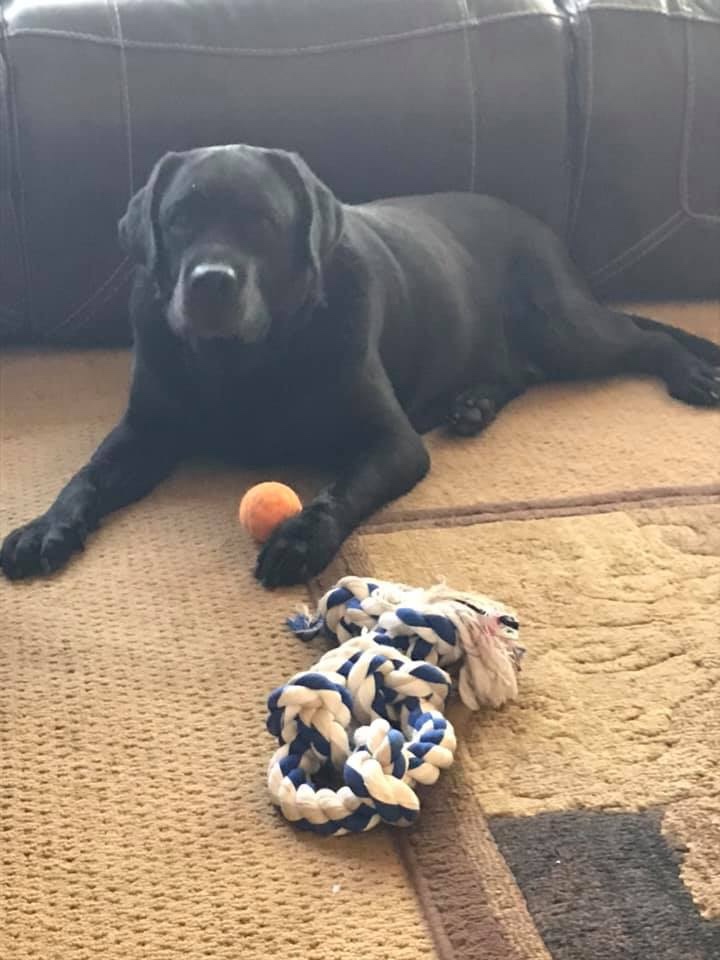
Hobo Vijayasankar – 12/31/2009 to 2/21/2020


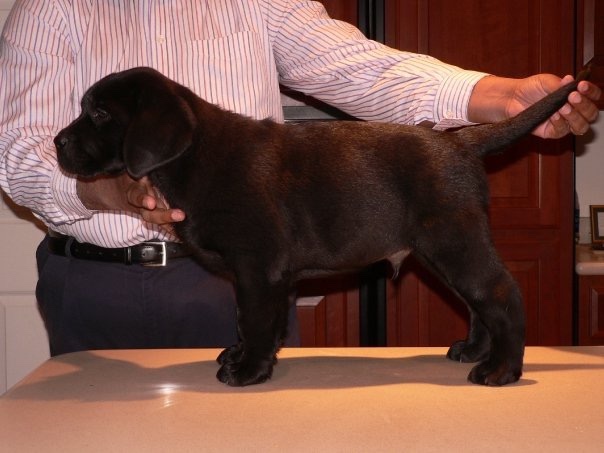
Hobo joined our family on our daughter Shreya’s fourth birthday when he was about 8 weeks old .

We picked him up after her birthday party from his breeder Marci Sale’s house in Gilbert . He rode back home on Dhanya’s lap and I remember him squirming the entire way back. Sitting still was not his thing 🙂

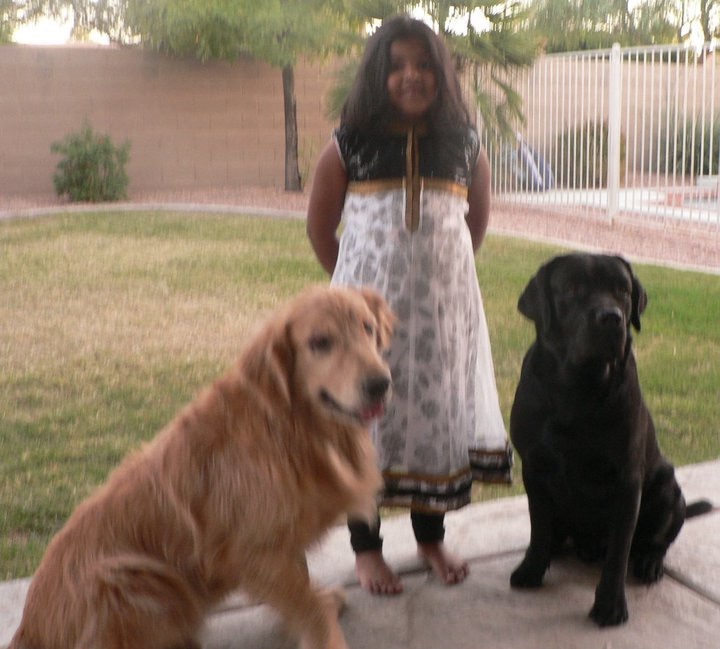
Boss was five years old at the time and immediately took Hobo under his wings

Some of my most favorite moments those days were the time I spent with Shreya, Boss and Hobo in the backyard and in the pool at our old house.

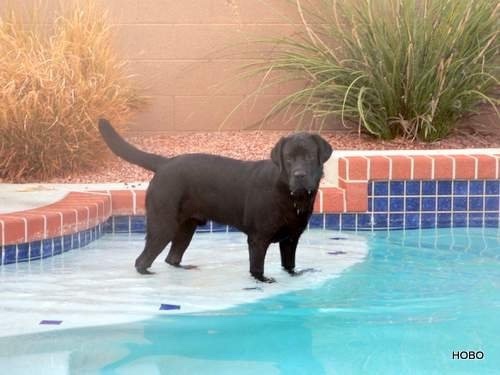
They were inseparable – and so different . Boss was all brain and Hobo was all brawn . If I tossed an orange into the pool for them to fetch , Hobo would do a spectacular dive to get it back – and then at the last minute Boss will take it from him and deliver it to me 🙂

The only thing Boss really didn’t share very much with Hobo was me . It was clear to Hobo that Boss didn’t like him to be right next to me if he was around . He had to wait his turn . If I pet Hobo first – Boss would immediately sulk 🙂

But everything else was fine – Boss had no trouble letting Hobo share toys , treats , bedding etc . And unlike Boss , Hobo was not destructive when it came to toys – he just liked to carry them around .

Hobo didn’t like dog shows one bit . That was not his idea of fun . I am convinced he could have also been an obedience champion like my German Shepherd – and he was proofed on everything up to CDX when we gave up . I had no interest left in competing to win – so when o realized he didn’t like it, we stopped training .
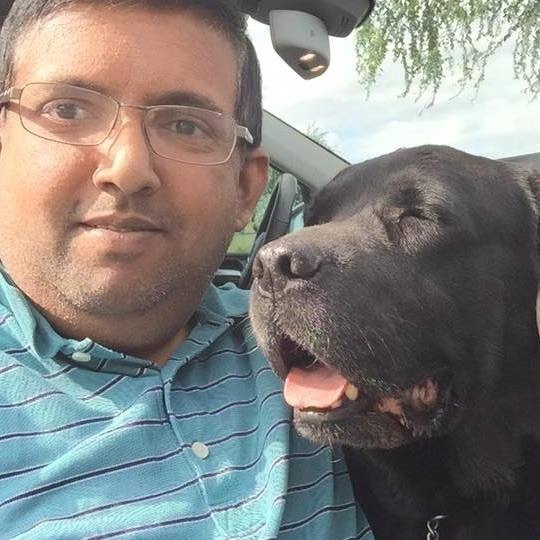
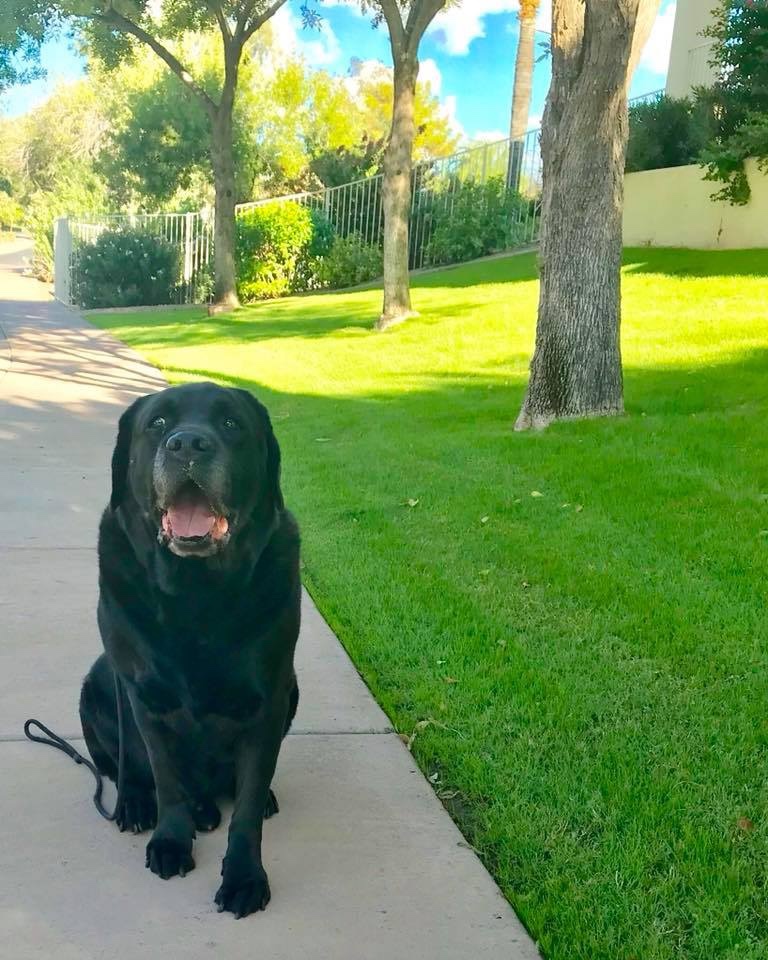
He was the ultimate retriever . And fetching oranges from our pool was the one thing he didn’t mind doing a thousand times .

Eventually, I had to stop allowing him to swim after he started hurting and crying the next day.

Just as Boss did to him , when Ollie joined our family – it was Hobo’s turn to be the four year old big brother to the seven week old young gun . To be fair , Boss did his fair share in raising the kid as well .

I think what Hobo taught him first was to sit next to me and stare at me till I shared whatever was on my plate with them .

I am sure it was Boss who taught Hobo that it’s a foolproof strategy that works every single time .

When Boss left us for the rainbow bridge three years ago, Hobo took over immediately as my shadow . He was just there right next to me, checking on me from time to time and making sure I knew he was there for me .

Being a New Year’s Eve baby – Hobo’s birthday was the easiest to remember . And ice cream was his favorite birthday treat . We returned from Europe the day before his birthday last year to make sure we can celebrate with him .

He loved riding shot gun with me in the car .

We would have our silly conversations and he wouldn’t take his eyes off me throughout the drive.

When we celebrated his tenth birthday, he was still a bouncy young puppy . I don’t think he ever mentally grew up much beyond six months or so . It took very little to make him excited and jump around barking . Dhanya used to tease him with a new trash bag before putting it in the kitchen bin and he would go nuts .

Hobo enjoyed going for walks . Showing him the leash was a shire shot way of raising his excitement through the roof

Past his tenth birthday though, he started slowing down . He preferred sunbathing in the back lawn to playing fetch

He started having some trouble getting up , and he needed supplements for his joints and for his liver . But apart from a week or so where he lost appetite – he had almost returned to normal .

While I realized we didn’t have a lot of time left with him, I didn’t realize that it will come so soon . I had to fly to NY on Wednesday afternoon . As usual, before leaving I let him and Ollie our for a potty break .

Hobo was the first to come back in and we shared a banana . That was the last meal we shared . Today as I am flying back home, Dhanya messaged me mid air that he passed away in his sleep .

I am sure Boss is waiting at the Rainbow bridge for you dear Ojo-Bojo – May there be plenty of oranges for you to fetch and pools for you to swim . Till we meet again buddy !

Are Finance and Operations people evil and clueless ?


There are probably very few people in the corporate world who haven’t had this thought at some point in their careers – and it probably is the primary belief system of many line executives . I used to be one of them – and from time to time, I still slip into that mindset – and then snap out of it .

So before I say anything else – let me say the answer is a resounding NO ! And they certainly are no more evil or clueless as the rest of us . I will go on to add that when we make use of their expertise the right way – life becomes significantly more productive !

As always – everything on this blog is strictly my personal opinion !

A lot of people I mentor have told me some version of “I could be doing a much better job if only Finance and Ops would let me” . There is some truth in that statement – and I have said it many times myself . I have also since learned there are larger truths that perhaps will change our perspective a little bit . That’s why I am attempting a blog to explain my point of view .

Finance and Ops colleagues have a very hard job to begin with – and we often don’t appreciate it. It’s not a job that many of us have the skill, aptitude or interest to do. I majored in finance in business school – and yet I don’t think I ever want to do a CFO role . Thanks to the nature of their job – most of us in line jobs don’t take the time and effort to understand why they operate the way they do , or how their analysis was done to reach the conclusion we disagree with .

Let’s use an example to put this in context . Revenue and profit are generally easy measures to understand . Cash flow and time value of money are less natural measures for many of us . So when a finance leader questions a deal that shows a high revenue and profit profile – it could be because the projected cash flow is poor , and there is debt that can’t be serviced . Another common occurrence is arguments about “expense vs cost” which both look similar to people without training in accounting, but have completely different accounting treatments . You don’t need a three year degree to understand the basics – but if you don’t take the time to do get it right , you will constantly talk past your finance colleagues and get frustrated .

Most people are familiar with how P&L statements work because their metrics are correlated to it . However there is also the Balance sheet and the cash flow statement that hold significance in a business – and till we understand how it all works together, we will never extrapolate our own reality to the company’s reality .

The reverse is also true that often the world looks different when you abstract it to a spreadsheet or PPT . So an Ops leader might tell every VP to cut 10% of their staff as a solution to save money – and it will make perfect sense at the highest level . And yet , for obvious reasons it is hardly ever a good solution . Another classic problem is resource fungibility looks infinite (Why hire a manager for AI in west coast now when we have two managers in IOT in Midwest and East who both have bandwidth to stretch?) on a spreadsheet when translated to headcount and dollars – but ridiculous when it is translated to skills and location and so on .

Essentially – a little bit of active empathy and trust building via training, job rotations etc will go a long way in reducing friction in decision making .

A CFO – now retired – that I respect a lot once told me this . “When a business is run well, my job is to make sure I record everything and provide insights to where we may have opportunities to grow. When it’s not running well , my job is to get it back to a shape where it can be run well again”. My appreciation for that statement was admittedly low when I first heard it , but it has improved over time 🙂

A lot of frustration happens when finance and operations policies are created by people who don’t have sufficient appreciation for what happens on the ground. All business needs a happy middle of “let’s not take any risk and let’s not trust anyone” vs “let’s take every risk and let’s trust everyone” . Similarly there is the tension on what’s the best way to generate profit – where should be the happy middle of “let’s increase revenue by any means possible” and “let’s cut costs to the bone” . The manifestation of this is best seen in how companies operate their budgets .

Budgets assume that almost everything is known upfront for the year in front of us and we can optimize resources to get a certain goal . It’s all good except that things do change all the time ! And this is where business reasoning should prevail over broad policies and processes .

When a leader says “sorry – no budget” to a proposal , what that translates to usually is “this is my first filter to see if you have the conviction to prove that my budgetary assumptions were wrong” . There is always budget to make more money for a company if you can prove the risk-return trade off works . But that needs you to ask questions to understand why your request is denied , have a relationship with all the stakeholders so that you even have a chance to ask in the first place , and a lot of effort to make the case in a way it makes sense . And in reverse – it needs finance and Ops to be flexible enough to change assumptions when there is proof that it’s the right thing to do .

The easy path – the one often taken by many of us – is to shrug and give up with “these bean counters don’t get it” and “These utopian ideas are why we are in trouble and why we need to tighten policies some more” 🙂

I am consciously staying away from a discussion on metrics as the driving force for some or all of corporate dysfunction. That needs a deeper discussion by itself 🙂