Since I grew up in ERP space , workflows are near and dear to my heart . I have set up a lot of workflows myself and I have been subject to the tyranny of bad workflows a lot too . Over time “collaboration” became a thing but classic workflows still largely rule our work life . The first time I directly set up a workflow was for a purchase order scenario in the late 90s – and I remember the client VP took me and a colleague to a fancy dinner to thank us . It solved the biggest pain for him in routine business and for two young consultants – that was like winning backstage tickets to a rock concert 🙂
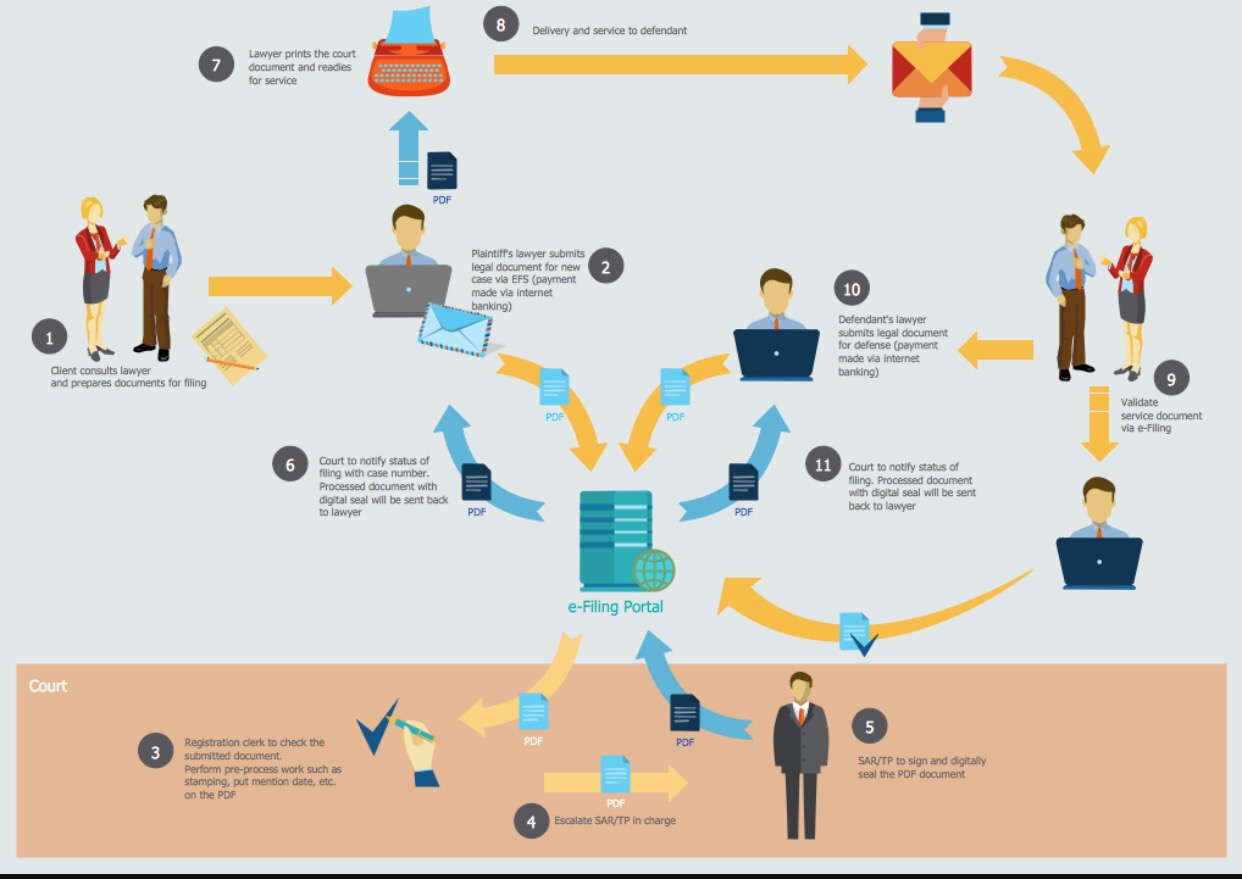
So why do people use workflows ? The “useful” reason is that some decisions are usually complex and can’t be taken by one person – because of skills , legal and other reasons . There are many “useless” realms too . What is not talked about often in polite company is that lack of trust in fellow human beings is a big reason for the zillion workflows we all live with .
I have several friends who specialize in workflow and collaboration systems – and they take great care of their clients in setting up the most efficient and effective workflows . What doesn’t always happen is that life changes often, but workflows don’t mostly change with it . And this can lead to comic and tragic and tragi-comic situations !
For example – Lets say there is an executive who runs a business, which has annual revenue that has a lot of zeros on the right side . But if she damages her phone and needs a new phone , she will need approval from her manager to get one .
If a company trusts her to handle millions of dollars worth of business , shouldn’t she have an automatic approval for a phone ? Sure she does – and one call to the CIO can probably get this workflow fixed right away for her and everyone like her in the company . But it’s not just her – what if this is a non executive employee who has a critical job function like door to door delivery where the ability to reach a customer by phone is paramount ? Sure he needs it too – and another call to IT (but this time from an upline manager in escalation mode ) can fix that problem quickly as well . But how many variations can happen in a workflow before it reaches the “this crap cannot be sustained” mode ? It takes very little time and I have lived through that nightmare a few times when I was a young consultant . And however carefully we craft the design of workflows – we won’t be able to predetermine all options that become necessary across enterprise as market evolves and business adapt to keep up .
It’s probably never going to get fixed completely – but machine learning can help solve a lot of these painful problems . Even if an automatic fix is probably hard, given legal and financial policies don’t move at the speed of innovation in STEM, we can make a tangible impact with meaningful insights .
The data about existing workflows is easy to get . That is enough information to get patterns for an algorithm to start on . Then it’s a matter of introducing other data sets and see what we can learn – like say weather , sales data , budgets etc . In our example of the executive – an algorithm that learns that there is a huge business impact if she loses her phone , it can trigger an order automatically . This is a much more sustainable way than a deterministic “if exec , then auto approve” rule . Why ? Say the same exec moves to a non P&L job and has a desktop where she has access all day while a new phone gets ordered .
Humans cannot keep track of all the workflows that are set up over time . No one needs an extra notification or email if they can help it . So machine learning can also be used to keep track of how the workflow landscape evolves over a period of time and suggest meaningful ideas to the workflow admin on options to optimize .
If an hour a week gets saved for a given employee by eliminating useless workflows and making existing ones smarter , that is more than a week’s vacation that you can give that person at no extra cost in productivity . How cool will that be ?

 And Vijay Says...